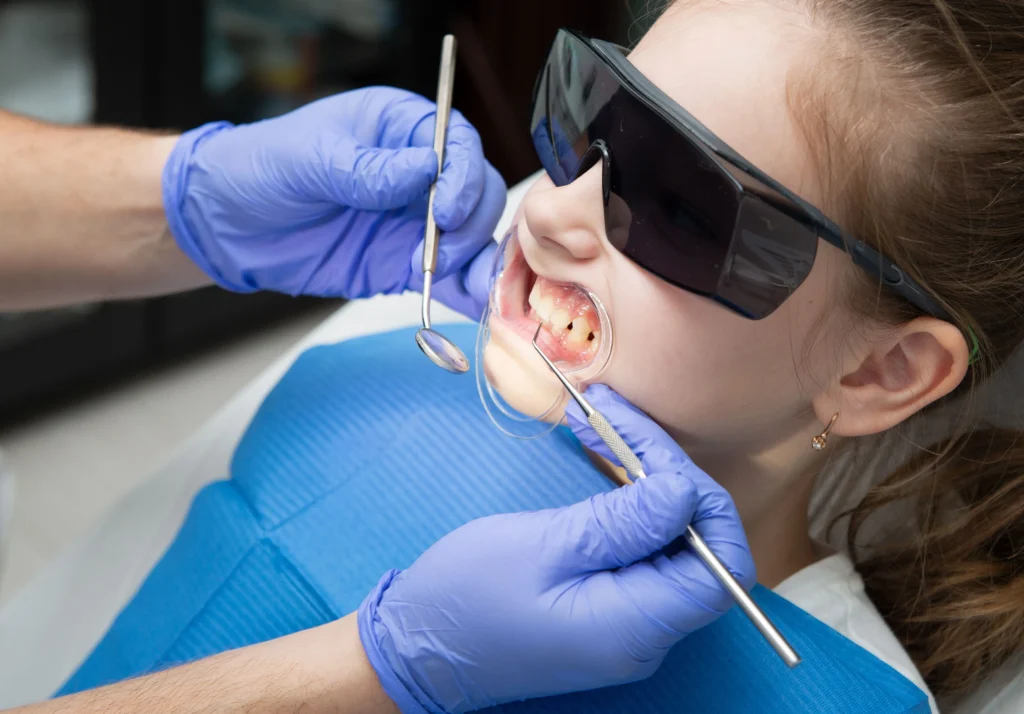
Most people should visit the dentist every six months, but dental visit frequency is not one-size-fits-all. Every child and family is a little different, and the right schedule depends on individual oral health needs, age, and history. Whether you’re bringing in your toddler for their first visit or scheduling your teenager’s checkup, knowing how often to visit the dentist sets the foundation for a lifetime of healthy smiles. Your dentist is the best person to help you figure out what works for your situation.
How Often Should You Go to the Dentist? It Depends
For most people, dental professionals recommend visits every six months. The “twice a year” standard became widely accepted through mid-20th century public health campaigns, and while it holds up well as a safe default, it was never meant to be a rigid rule for every person in every situation.
Think of it like vehicle maintenance. How often you service a car depends on how many miles it logs and the condition of its engine, not a calendar date alone. Dental visit frequency works the same way: your oral health status, diet, home care habits, and individual risk factors all shape the right answer for your family. For families with young children, that starting point may shift even earlier.
Why Regular Dental Checkups Matter, Even With Great Home Care
Plaque begins forming within 20 minutes of eating. If it is not removed, it hardens into tartar within one to two days. Knowing what happens between visits, including how to protect enamel at home, can make a real difference. Beyond cleaning, dental exams include oral tissue checks, early cavity detection, and jaw alignment assessments. Research from Moles et al. shows that 38 percent of early cavity lesions progress into the deeper dentine layer within three years, meaning a small problem caught early often means a simple filling rather than something far more involved. Staying on top of regular dentist appointments and dental appointment frequency is one of the most effective ways to keep those small problems small.
Who Should See a Dentist More Often Than Every Six Months
Some people benefit from dental visits every three to four months rather than every six. Your dentist may recommend a shorter recall interval if any of the following apply to you:
- A history of frequent cavities or active gum disease
- Smoking or tobacco use, which significantly raises gum disease and oral cancer risk
- Diabetes, since blood sugar dysregulation accelerates gum disease
- Pregnancy, due to hormonal changes that increase gum sensitivity and bleeding
- A condition affecting the immune system, such as cancer treatment or organ transplant
- Dry mouth caused by medications
- Dietary habits high in sugar or acidic foods
More frequent checkups are not a sign of failure. They are a proactive way to stay ahead of problems before they grow.
For patients without these risk factors, the standard six-month schedule is typically appropriate. Children with a history of early childhood cavities often benefit from three-to-four-month intervals as well. When thinking about how often children should get dental checkups, the American Academy of Pediatric Dentistry recommends dental visits beginning around the first birthday, and preparing for your child’s first visit can help make that experience a positive one from the start.
A Simple Way to Know Your Ideal Dental Visit Schedule
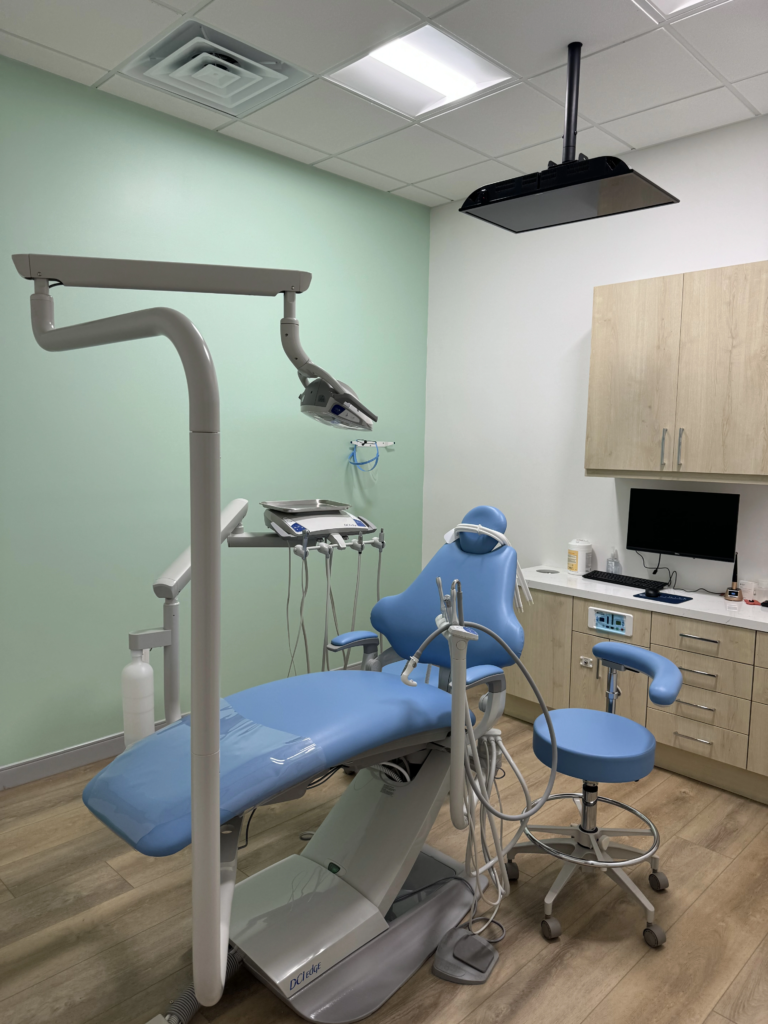
Before your next appointment, run through these five questions to get a clearer sense of where you stand. Parents can walk through these same questions on behalf of their child to help determine what factors determine dental visit frequency for their family:
- Do you have a history of gum disease or frequent cavities?
- Do you smoke or use tobacco?
- Do you have diabetes or a condition affecting your immune system?
- Are you pregnant?
- Do you have dry mouth from medications?
If you answered no to all five, a twice-yearly schedule is likely appropriate. If you answered yes to any of them, a three to four month interval may serve you better. Discuss it with your dentist at your next visit.
Strong brushing, flossing, and fluoride use at home can support longer intervals for genuinely low-risk patients. Your dentist will reassess the right schedule over time as your child grows and your family’s needs change. If you have questions about your child’s specific schedule, our pediatric dental services page outlines what to expect at each stage of care.
Ready to Build a Dental Routine That Fits Your Child?
Finding the right visit schedule starts with a team that takes the time to understand your child. At ChildSmiles OC, we look at your child’s full picture, including their age, history, habits, and any anxieties, then build a plan that feels manageable for your family. If you’ve been wondering whether your child is due for a checkup, or you’re starting from scratch with a first visit, we’d love to meet you. As a trusted pediatric dentist in Fullerton, we welcome families from across North Orange County and accept a wide range of insurance plans, including Medi-Cal. Schedule your child’s visit today, and let’s figure out the right rhythm together.
FAQs about Going to the Dentist for Kids
How often should my child go to the dentist?
Most children should see the dentist every six months, starting around their first birthday. Kids with cavities, special healthcare needs, or higher-risk habits may benefit from visits every three to four months.
When should I take my baby to the dentist for the first time?
By your baby’s first birthday, or within six months of their first tooth coming in. Early visits are short and gentle, focused on getting your child comfortable and answering your questions about teething and brushing.
Is it okay to go to the dentist once a year instead of twice?
For some low-risk patients, yes. The CDC supports at least one visit per year. That said, children’s mouths change quickly, so most pediatric dentists still recommend twice-yearly visits for kids.
What if my child is anxious about going to the dentist?
Dental anxiety is common and nothing to be embarrassed about. Pediatric dental offices use kid-friendly spaces and gentle behavior guidance to build trust, and sedation options are available for children who need extra support.
Medically Reviewed by Dr. Mehdi Dowlaty, DDS, Board-Certified Pediatric Dentist