Dental crowns in Fullerton CA are tooth-shaped caps that fully cover and protect a damaged child’s tooth. They restore chewing function, stop further decay, and keep your child’s smile on track, often in a single visit.
When a tooth is too damaged for a filling, a crown is usually the best way to save it. At ChildSmiles OC, crowns are placed quickly, comfortably, and built to last until the baby tooth naturally falls out.
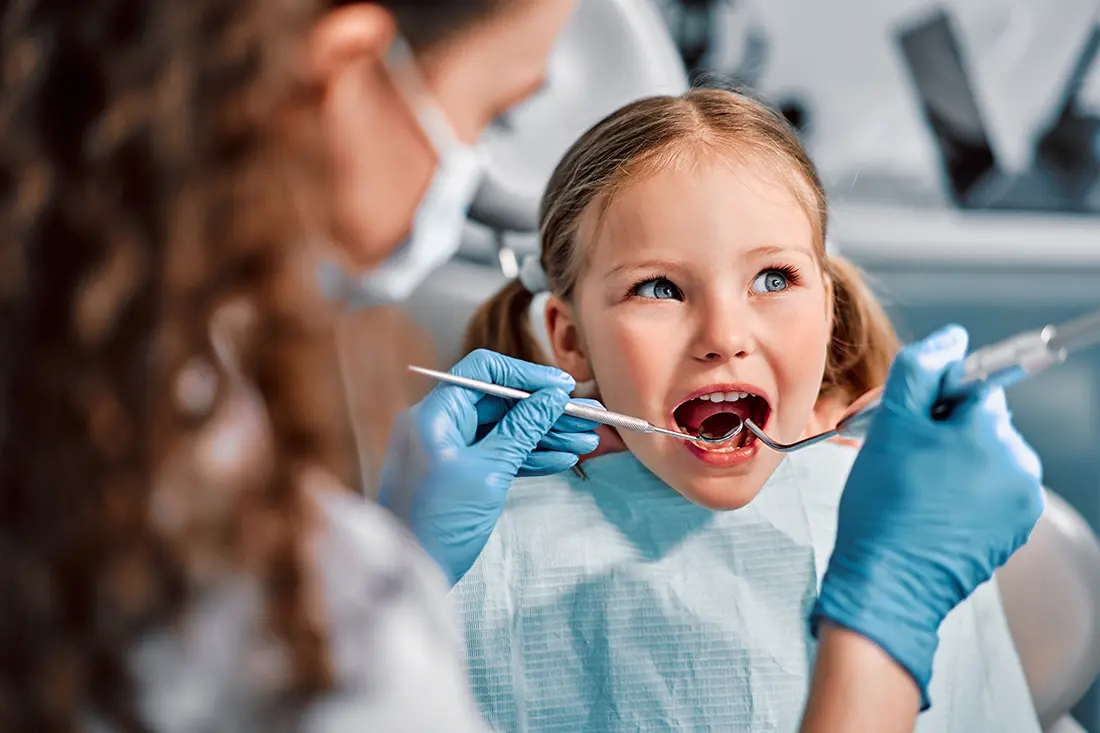
A simple filling works well for minor decay. When damage goes deeper, a filling cannot restore the full strength of the tooth.
A crown covers the entire damaged tooth. It protects against further breakdown and keeps the tooth stable until the permanent tooth comes in.
Common reasons children need crowns include:
At ChildSmiles OC, Dr. Dowlaty brings specialized pediatric training and hands-on restorative experience to every crown procedure.
The right crown depends on which tooth needs treatment and how much damage is present. Here is a simple breakdown of your options.
Stainless steel crowns have been the standard in pediatric dentistry for decades. They are durable, decay-resistant, and come in prefabricated sizes, which means less chair time for younger or anxious kids.
Zirconia crowns are strong and matched to the color of surrounding teeth. They have become increasingly popular, especially for families who prioritize a natural look.
This option combines a stainless steel core with a white facing on the front surface. It offers a more natural look at a lower price point than full zirconia.
A clear plastic form is filled with composite resin and placed over the tooth. No metal is involved.
Our team will always recommend the option that fits your child’s age, tooth location, and your family’s needs.
A first appointment at our pediatric dental office in Yorba Linda, CA is designed to build trust, not create stress. Here is what you and your child can expect:
Our goal at the first visit is always relationship-building first. As a pediatric dentist serving Yorba Linda, Anaheim, Brea, and Placentia, we want every child who walks through our door to leave feeling proud of their smile.
Affordability should never be a barrier to quality care. Our practice accepts a mix of insurance plans, including Medi-Cal, and we also welcome cash-pay families. We verify your benefits before the appointment so you have a clear picture of your costs before you arrive, and routine cleanings and exams are covered by most insurance plans. Please call our office to confirm your specific coverage, including Medi-Cal eligibility, and to ask about flexible payment options if you need them. Pediatric dental care for special needs patients is part of our specialty training, and our team coordinates closely with caregivers to provide sensory-friendly accommodations and a plan that fits your child’s unique needs. As part of our commitment to this community, we donate for every new patient through our partnership with the H.O.P.E. nonprofit, supporting local families who need it most.
Consistent preventive care is the foundation of lifelong oral health. The AAPD recommends checkups every six months, and keeping that schedule is one of the simplest ways to catch small concerns before they grow, which is why we make regular dental checkups easy and comfortable for the whole family. Our nutritional counseling helps parents connect everyday food choices to cavity prevention in a practical, judgment-free way. Consistent early care paired with positive office experiences are the strongest predictors of lifelong oral health habits, and our pediatric dental team also shares guidance on common questions like thumb sucking and pacifier use, because we know they come up between visits too.
When your child is ready for their next visit, our team is here to make it easy, comfortable, and something they can feel good about. Schedule your child’s first visit and see why so many Yorba Linda families have made us their pediatric dental home.
Check out these frequently asked questions, or call us to speak with our team.
