Choosing the right time to support your child’s smile can make a lasting difference. Early orthodontic treatment focuses on guiding jaw growth and tooth development while kids are still growing. For some children, starting early can reduce future complexity, shorten treatment time later, and support healthier, more confident smiles.
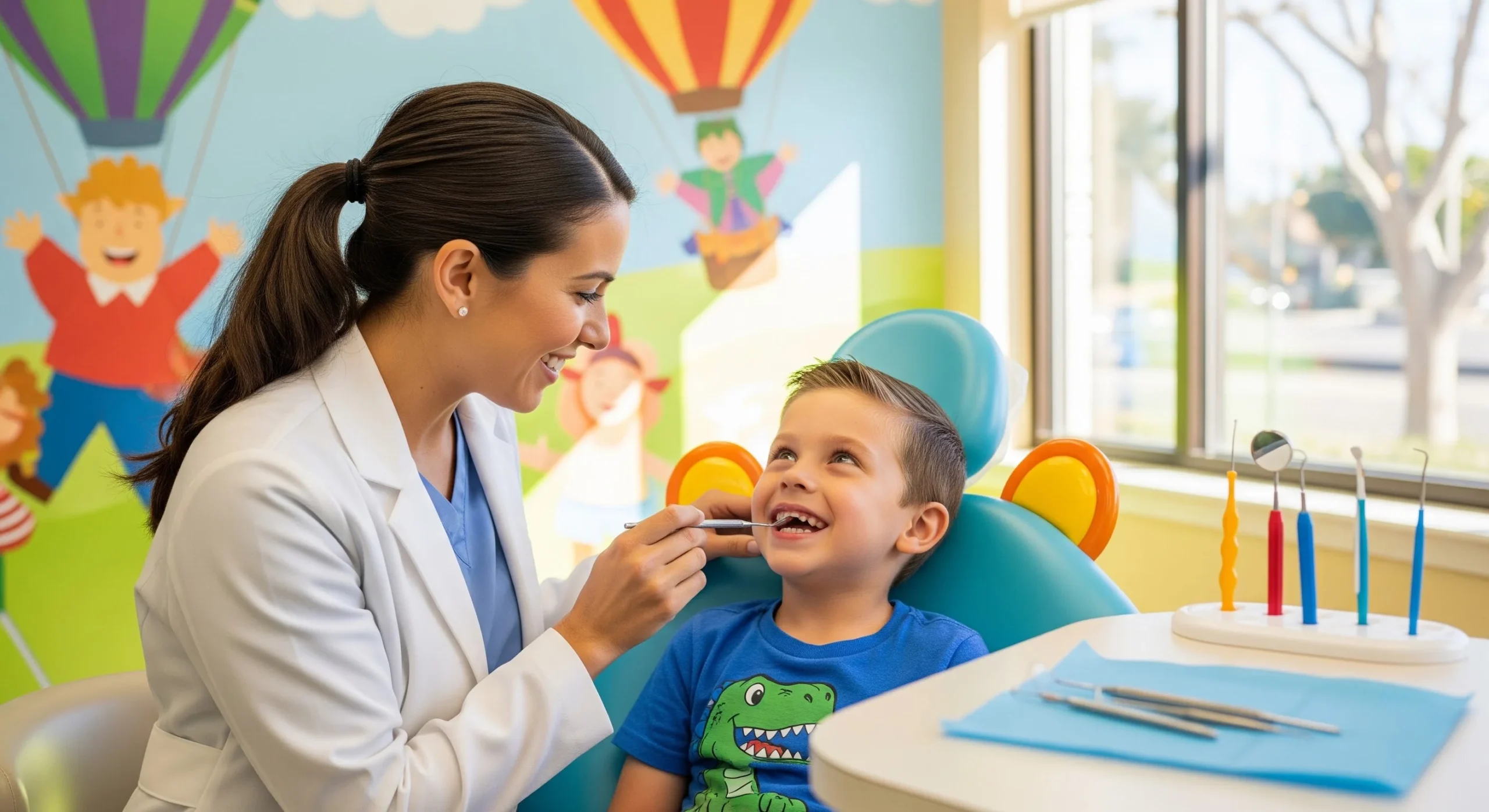
Early orthodontic treatment is an approach that evaluates and, when appropriate, treats orthodontic concerns while a child still has a mix of baby and permanent teeth. It is typically considered between ages six and ten, when growth patterns are easier to guide, and problems can be addressed before they worsen.
This approach may include early interceptive orthodontic treatment designed to correct crowding, bite issues, or jaw development concerns before all permanent teeth erupt. The goal is not cosmetic perfection, but creating a healthier foundation. This stage is sometimes called orthodontic early treatment and may involve limited appliances or monitoring depending on your child’s needs.
Parents often ask about early age orthodontic treatment because issues like crossbites, severe crowding, or jaw imbalance can become more difficult to correct later. Addressing concerns during active growth can make future care simpler and more predictable.
No. Early orthodontic care is not required for every child, but an early evaluation helps determine who may benefit most. The American Association of Orthodontists recommends an orthodontic screening by age seven to identify growth or bite concerns early.
When families ask if early orthodontic care is necessary, the answer depends on each child’s development. Some children only need observation, while others benefit from interceptive orthodontic treatment that takes advantage of natural growth. Early orthodontics can prevent more serious problems, but unnecessary treatment is avoided when careful monitoring is the better option.
At ChildSmiles OC, Dr. Mehdi Dowlaty evaluates facial growth, bite relationships, and eruption patterns. As a trusted Pediatric Dentist in Fullerton, he helps families understand whether early intervention or continued observation is best.
The interceptive orthodontic treatment that Fullerton families choose is centered on prevention, comfort, and long-term results. When orthodontic concerns are identified early, interceptive orthodontics can guide jaw development and reduce the need for extractions or surgery later.
This approach, often referred to as early interceptive orthodontics or early interceptive orthodontics, may include space maintainers, palatal expansion, or habit correction. Interceptive treatment focuses on eliminating obstacles that prevent healthy development, such as thumb sucking or premature tooth loss.
Children who receive timely care through interceptive orthodontic treatment often need shorter, simpler braces later or may avoid them altogether. Early orthodontics can also support better breathing, speech development, and facial balance as your child grows.
ChildSmiles OC is led by a board-certified pediatric dentist with extensive training in growth and development. We focus on education, transparency, and honest recommendations. Families receive clear explanations, practical guidance, and care plans tailored to their child’s needs, not one-size-fits-all solutions.
An early orthodontic evaluation does not always mean treatment begins right away. It provides clarity, peace of mind, and a roadmap for future care. If treatment is recommended, early action can make a meaningful difference.
Call (714) 253-3172 or request an appointment today to learn whether early orthodontic care is right for your child’s developing smile.
We believe that everyone deserves a chance at a healthy smile, and that’s why we do everything we can to make paying for dental care as easy as possible.
Affordability should never be a barrier to quality care. Our practice accepts a mix of insurance plans, including Medi-Cal, and we also welcome cash-pay families. We verify your benefits before the appointment so you have a clear picture of your costs before you arrive, and routine cleanings and exams are covered by most insurance plans. Please call our office to confirm your specific coverage, including Medi-Cal eligibility, and to ask about flexible payment options if you need them. Pediatric dental care for special needs patients is part of our specialty training, and our team coordinates closely with caregivers to provide sensory-friendly accommodations and a plan that fits your child’s unique needs. As part of our commitment to this community, we donate for every new patient through our partnership with the H.O.P.E. nonprofit, supporting local families who need it most.
Consistent preventive care is the foundation of lifelong oral health. The AAPD recommends checkups every six months, and keeping that schedule is one of the simplest ways to catch small concerns before they grow, which is why we make regular dental checkups easy and comfortable for the whole family. Our nutritional counseling helps parents connect everyday food choices to cavity prevention in a practical, judgment-free way. Consistent early care paired with positive office experiences are the strongest predictors of lifelong oral health habits, and our pediatric dental team also shares guidance on common questions like thumb sucking and pacifier use, because we know they come up between visits too.
When your child is ready for their next visit, our team is here to make it easy, comfortable, and something they can feel good about. Schedule your child’s first visit and see why so many Yorba Linda families have made us their pediatric dental home.
Check out these frequently asked questions, or call us to speak with our team.
