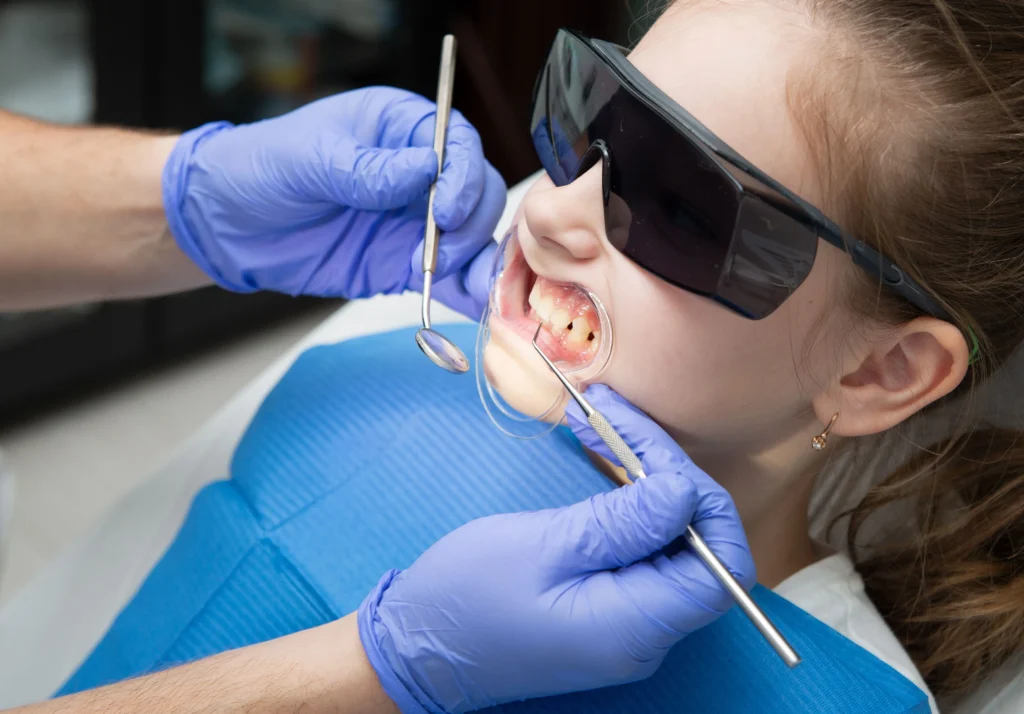
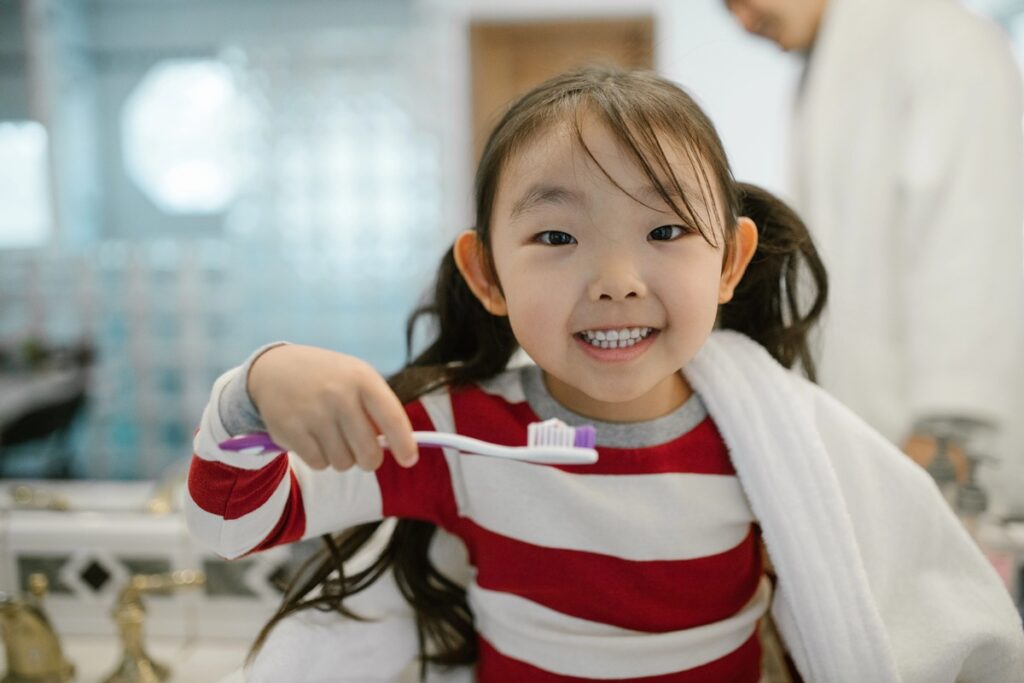
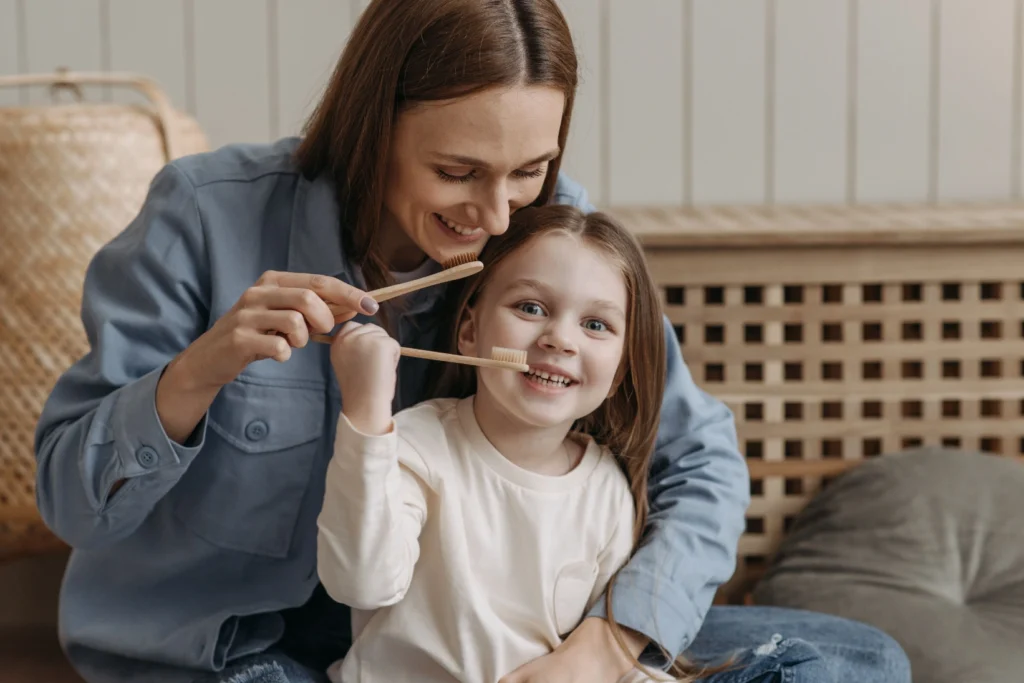
At ChildSmiles OC Pediatric Dentistry and Orthodontics, Dr. Mehdi Dowlaty sees firsthand how the right toothbrush can transform a child’s relationship with brushing. With more than 15 years of board-certified pediatric dental experience, he has shaped this guide around one simple truth: soft bristles, the right head size for their age, and something they will actually want to use are the three things that matter most. This guide walks you through the best options by age, backed by pediatric dental expertise and clinical evidence, so you can feel confident in your choice.
Quick Picks: Best Kids Toothbrushes at a Glance
Here is a fast-reference list for parents who need a quick answer. These picks were evaluated using the criteria covered in the next section, and full reviews, pros, cons, and age breakdowns follow below.
| Category | Top Pick | Price Range | Why It Earned the Spot |
| Best Overall (Electric) | Philips Sonicare for Kids | $30–$50 | App connectivity, pressure sensor, 2-minute timer |
| Best Manual | Radius Totz | $5–$8 | Extra-soft bristles, ergonomic grip, toddler-safe |
| Best for Toddlers | Oral-B Stage 1 Baby | $3–$5 | Tiny head, ultra-soft bristles, first-tooth friendly |
| Best for School-Age | Oral-B Pro Kids Electric | $25–$45 | Strong clean, fun designs, replacement heads available |
| Best Budget Pick | Colgate Kids Manual | $3–$6 | Character designs, soft bristles, affordable backup |
| Best for Sensitive Kids | Radius Totz Plus | $6–$9 | Extra-soft plant-based bristles, gentle on new enamel |
Each pick below includes age guidance, pros and cons, and pricing so you can find the right children’s toothbrush quickly.
How We Evaluated These Toothbrushes (Our Criteria)
These picks were shaped by more than 15 years of pediatric dental practice and one guiding principle: the best toothbrush is the one a child will actually use, consistently. Dr. Dowlaty’s clinical observations, combined with current dental research, informed every selection in this guide.
Five criteria shaped the selections:
- Bristle softness and safety for developing enamel, which is thinner and more vulnerable than adult enamel
- Brush head size proportional to small mouths, covering only about two teeth at a time
- Handle grip and ergonomics sized for little hands that are still building fine motor skills
- Fun factor, including characters, colors, and designs that make a toothbrush for kids something children look forward to using
- Built-in timers or app connectivity that help children brush for the full recommended 2 minutes
Soft bristles are always the starting point. Every other feature, including timers, app connectivity, and character designs, matters only if it supports that foundation.
Should Kids Use an Electric or Manual Toothbrush?
Electric toothbrushes are generally the better choice for children ages 3 and up, though manual brushes remain excellent for infants and toddlers. Here’s why the distinction matters.
If brushing has ever felt like a daily battle in your house, you’re far from alone. Choosing a toothbrush that works with your child’s personality can make a real difference.
According to a study published in Nature, electric toothbrushes were significantly more effective than manual toothbrushes in reducing plaque and gingivitis in young children ages 3–10, making the choice of toothbrush a meaningful one for parents.
According to a University of Michigan Health poll, over one-third of parents report their child has experienced dental problems, and with only 64% of kids brushing twice daily, choosing a toothbrush that makes brushing more appealing is more important than ever.
Age guidance: For children under 3, a soft manual brush is typically preferred because mouths are very small and sensitivity is high. From age 3 onward, kids electric toothbrushes become highly beneficial, especially when brushing compliance is a daily challenge.
Cost comparison: Manual toothbrushes run $3–$12. Kids electric toothbrushes range from $15–$80+, with replacement brush heads adding $5–$20 per set. The investment in an electric model often pays off in better plaque removal and easier 2-minute compliance.
App motivation: Several electric models connect to apps like the Disney Magic Timer or the Philips Sonicare app. In practice, children who use app-connected brushes tend to brush longer because the timer becomes part of the game rather than a rule to follow, making an electric toothbrush for kids with app features a genuinely useful tool for many families.
Best Toothbrush for Kids by Age: Our Top Picks
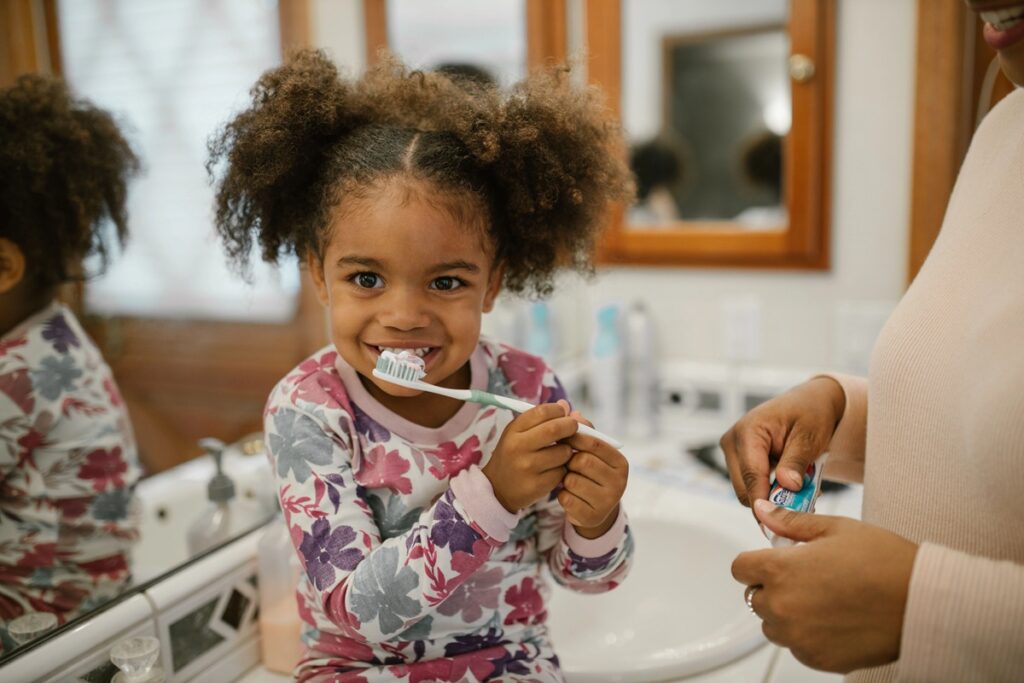
As Dr. Dowlaty advises, the most important factor when choosing a toothbrush is matching it to where your child is developmentally, not simply picking the most popular brand. Getting that foundation right early also makes preparing for first dental visits a much smoother experience. Here are the top toothbrushes for children organized by age tier.
Best Toothbrush for Infants and Toddlers (Ages 0 to 2)
For infants, start with a soft finger brush as soon as the first tooth appears. Around age 1, transition to a small-headed manual toothbrush. At this stage, look for a brush head small enough to cover only one or two tiny teeth at a time, which keeps brushing comfortable and thorough.
Oral-B Stage 1 Baby Toothbrush
- Best for: First tooth through age 2
- Price: $3 to $5
Extra-soft bristles, a head sized for tiny front teeth, and a chunky handle parents can grip during supervised brushing make this a reliable first toothbrush.
Pros: Ultra-soft bristles protect new enamel; small rounded head fits comfortably; parent-grip handle makes supervised brushing easy
Cons: No character design on base model; needs replacing frequently as bristles wear quickly on enthusiastic chewers
Radius Totz
- Best for: Ages 1.5 to 4, especially sensitive gums
- Price: $5 to $8
Plant-based ultra-soft bristles and an angled ergonomic handle make this a favorite for children with extra-sensitive gums.
Pros: Extra-soft bristles; wide brush head is gentle; BPA-free
Cons: Slightly pricier than drugstore options
Best Toothbrush for Preschoolers (Ages 3 to 5)
This is also the age when the habits that shape lifelong oral health begin to form, making consistent brushing and cavity prevention in young children a genuine priority. Brush heads sized for preschoolers are typically labeled “3 to 5 years” or “small kids” and should still cover only about two teeth at a time.
Oral-B Kids Electric Toothbrush (Disney Magic Timer App Compatible)
- Best for: Preschoolers who resist brushing
- Price: $20 to $35
The Disney Magic Timer app reveals a character image as your child brushes, making the full 2 minutes feel like a reward. Available in multiple character themes.
Pros: App timer dramatically improves compliance; soft brush head; kid-sized grip
Cons: App requires a smartphone nearby; replacement heads are an ongoing cost
Colgate Kids Manual Toothbrush
- Best for: Budget-friendly backup or travel
- Price: $3 to $6
Pros: Affordable; widely available; fun character designs
Cons: No built-in timer; requires parental encouragement to hit 2 minutes
Best Toothbrush for School-Age Kids (Ages 6 to 12)
School-age children benefit from the stronger cleaning action that electric toothbrushes provide, plus features that keep brushing engaging as novelty wears off. By this stage, brush heads labeled “junior” or “6 to 12 years” are appropriate, as mouths are growing but have not yet reached adult proportions.
Philips Sonicare for Kids Connected
- Best for: Ages 6 and up who need motivation and a thorough clean
- Price: $30 to $50
The Philips Sonicare app turns brushing into a guided adventure. A pressure sensor protects enamel and gums, and the 2-minute timer with quadrant pacing ensures every part of the mouth gets attention.
Pros: Pressure sensor; app connectivity; interchangeable brush head covers; strong plaque removal
Cons: Higher upfront cost; app engagement may decrease over time
Oral-B Pro Kids
- Best for: Ages 6 to 12 wanting a solid electric clean without the app
- Price: $25 to $45
A strong performer with a round oscillating head, 2-minute timer, and kid-friendly design. Replacement heads are easy to find at most pharmacies.
Pros: Effective clean; accessible replacement heads; straightforward to use
Cons: No app connectivity; fewer design options than Sonicare
Around age 12, children can begin transitioning toward junior or adult-sized brush heads as their mouths approach adult proportions.
Toothbrush Tips Every Parent Should Know
Choosing the right toothbrush is step one. Using it correctly is step two, and maintaining it properly is step three.
Supervision: Children generally need parental help brushing until age 6, and spot-checks through age 8, to make sure technique is solid and all surfaces are covered.
Technique basics: Hold the brush at a 45-degree angle to the gums, use gentle circular or short back-and-forth strokes, and include the tongue. Firm scrubbing is never necessary, especially with a soft bristled toothbrush for kids.
Making it fun: Use a song, a sand timer, or a brushing app. Let your child pick their own toothbrush from a couple of good options. Reward charts work well for preschoolers who need extra encouragement. Summer schedules can disrupt routines, so it helps to have a plan for preventing cavities during summer when kids are snacking more and routines shift.
Toothbrush maintenance: Rinse the brush thoroughly after each use, store it upright to air-dry, never share brushes between children, and replace every 3 to 4 months or sooner if the bristles look frayed. Replace it after any illness as well, since bacteria and viruses can linger on bristles.
Fluoride toothpaste amounts: A rice-grain amount for children under 3, and a pea-size amount from age 3 onward.
If technique is a work in progress, that is completely normal. Consistency matters more than perfection at every age.
Ready to Make Brushing a Habit Your Child Looks Forward To?
Choosing the right toothbrush is one of the most meaningful steps you can take for your child’s long-term oral health. For personalized guidance on your child’s routine, from choosing the right tools to building habits that stick, our team is always happy to help at your next visit. If you are looking for a pediatric dentist in Fullerton who takes the time to make every child feel comfortable, we would love to welcome your family to ChildSmiles OC. Learn more about our approach to pediatric dental care.
FAQs about Kids Toothbrushes
At what age should kids switch to an electric toothbrush?
Most pediatric dentists recommend electric toothbrushes starting around age 3, when children have enough hand coordination and will not accidentally push the brush too far back. For toddlers under 3, a soft manual brush remains the safer and more comfortable choice. Whichever type you choose, the goal is consistent 2-minute brushing twice a day.
What size toothbrush head is right for my child’s mouth?
The brush head should be small enough to cover only about two teeth at a time. For infants and toddlers, look for heads labeled “small” or “0 to 2 years.” For preschoolers and school-age children, “kids” or “junior” sizing is appropriate. A head that is too large will not reach back molars properly, leaving those teeth underscrubbed.
How often should I replace my child’s toothbrush?
Replace your child’s toothbrush every 3 to 4 months, or sooner if the bristles look splayed or flattened. Frayed bristles are less effective at clearing plaque and can be rougher on gums. It is also a good idea to replace the brush after your child has been sick, since bacteria and viruses can linger on bristles.
Medically Reviewed by Dr. Mehdi Dowlaty, DDS, Board-Certified Pediatric Dentist
Suggested: IV Sedation vs General Anesthesia and What Parents Should Know