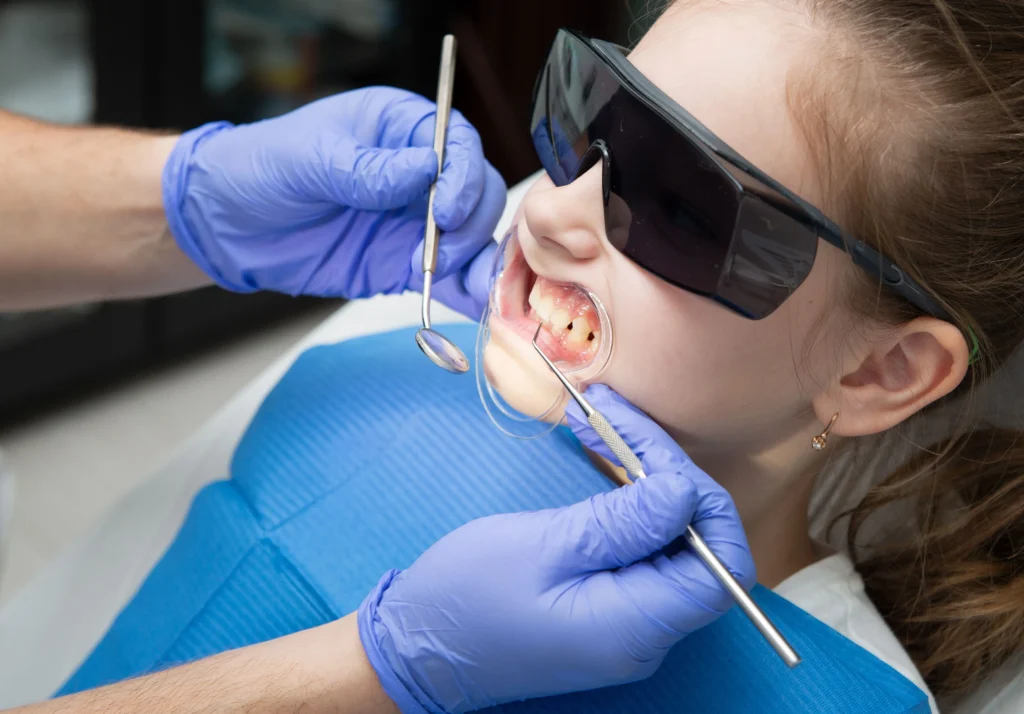
If you’re weighing IV sedation vs general anesthesia for your child’s upcoming dental procedure, you’re not alone. Understanding the core difference between these two types of dental sedation can make that conversation with your dentist much easier, and it’s one of the questions we hear most often from parents preparing for a child’s treatment.
IV Sedation vs General Anesthesia: What Is the Difference?
IV sedation, also called twilight sedation or conscious IV sedation, uses intravenous medications, typically propofol and midazolam (medications that promote deep relaxation and reduce anxiety), to create a deeply relaxed, semi-conscious state. Your child breathes independently and may respond to verbal cues but retains little to no memory of the procedure. General anesthesia uses inhaled gases such as sevoflurane or desflurane (gases that bring on complete unconsciousness) combined with IV agents to induce complete unconsciousness and full muscle paralysis, requiring a breathing tube because the patient cannot breathe independently.
Both are administered intravenously, but general anesthesia crosses a critical threshold from sedation into complete unconsciousness. That distinction explains every downstream difference in recovery, side effects, and risk. According to a PMC study on need and demand for sedation in dentistry, 12.4% of patients were definitely interested in sedation or general anesthesia, and 42% showed interest overall, making this one of the most commonly asked questions in clinical dental settings.
Side-by-Side Comparison: IV Sedation vs. General Anesthesia
If you’re in the middle of making this decision for your child, the table below covers the criteria families ask about most when comparing IV sedation and general anesthesia.
| Criteria | IV Sedation | General Anesthesia |
| Level of consciousness | Semi-conscious (twilight state) | Fully unconscious |
| Breathing | Independent | Assisted (breathing tube required) |
| Medications used | Propofol, midazolam | Sevoflurane, desflurane plus IV agents |
| Recovery time | About 60 minutes | Several hours |
| Common side effects | Rare nausea, mild grogginess | PONV, throat soreness, disorientation |
| Awareness during procedure | None (no paralysis induced) | Small but documented risk |
| Cost | Generally lower, different insurance implications | Higher, separate anesthesiologist billing typical |
One meaningful clinical difference worth understanding is intra-operative awareness, a small but documented phenomenon with general anesthesia related to the muscle paralysis that inhaled agents require. IV sedation does not involve paralysis, so this difference does not apply. It’s one of several factors clinicians weigh when recommending one approach over the other, and it’s worth asking your provider about if you have questions.
Is IV Sedation Safer Than General Anesthesia?
For most patients, IV sedation carries a lower risk profile, but “safer” always depends on patient health, procedure type, and clinical setting. While this list may sound daunting, both options are used safely every day by qualified clinicians in appropriate settings. Specific risks general anesthesia introduces that IV sedation avoids include:
- Post-operative nausea and vomiting (PONV): The nausea and vomiting that can follow anesthesia, which occurs more often with inhaled gas agents.
- Throat irritation and soreness from the breathing tube placed during general anesthesia.
- Cardiovascular stress: Intubation can spike blood pressure and heart rate, a meaningful consideration for patients with certain heart conditions.
- DVT and pulmonary embolism risk: Increases with longer procedures under general anesthesia.
- Post-operative cognitive dysfunction (POCD): More associated with general anesthesia; research on this effect is primarily in adult patients and is not a primary concern in pediatric sedation.
When Is General Anesthesia the Right Choice?
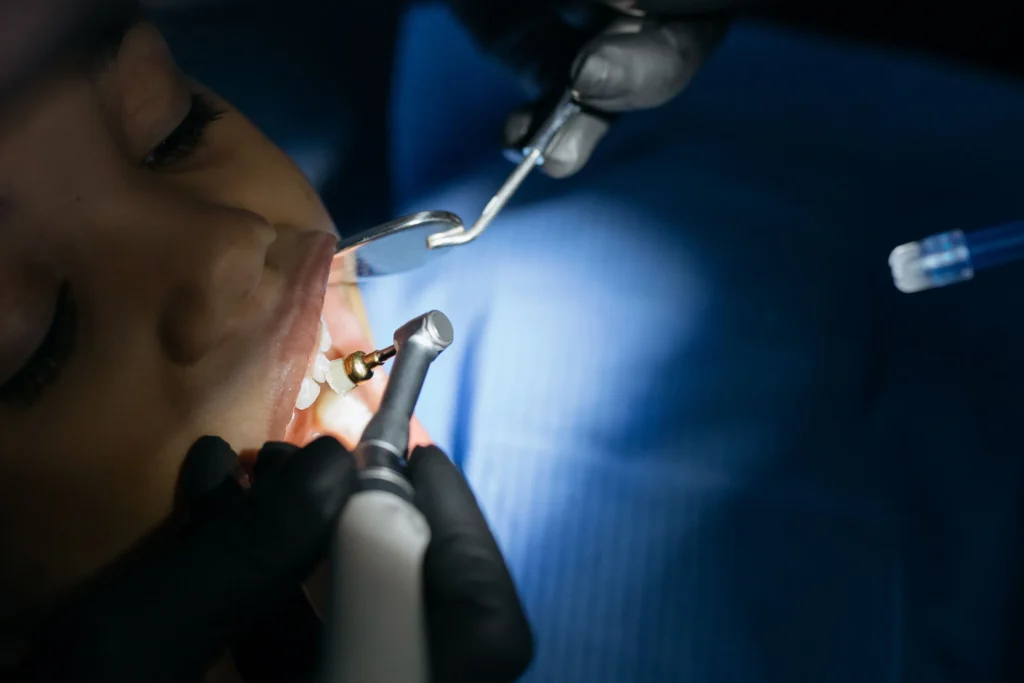
When weighing IV sedation vs general anesthesia for dental procedures, it’s important to recognize that general anesthesia is sometimes not just appropriate but the right and careful choice, made entirely in the child’s best interest. IV sedation has clear contraindications:
- Difficult airway or history of difficult intubation: These patients need a controlled intubation environment.
- Severe obstructive sleep apnea: IV sedation can worsen airway obstruction.
- Morbid obesity: Increased risk of airway compromise under sedation.
- Very long or complex procedures requiring complete muscle relaxation.
- Pediatric patients who cannot cooperate even under light sedation: In these cases, including children managing dental anxiety so significant that lighter sedation isn’t sufficient, general anesthesia in an accredited hospital-based facility is appropriate.
- Severe anxiety disorders or needle phobias that prevent IV placement.
The American Society of Anesthesiologists (ASA) and the American Association of Oral and Maxillofacial Surgeons (AAOMS) patient selection guidelines exist precisely to match sedation depth to individual patient risk factors. The goal in every case is patient safety and procedure success, not a preference for one method over another. Why IV sedation is preferred over general anesthesia in many cases comes down to risk profile and recovery, but it is not universally superior, and recommending general anesthesia reflects careful clinical judgment, not a last resort.
Ready to Talk Through Your Child’s Sedation Options?
Choosing between IV sedation and general anesthesia is a decision best made together with a dentist who knows your child. As a trusted pediatric dentist in Fullerton, our team at ChildSmiles is happy to walk you through both options, answer your questions, and help you feel confident about what comes next for your child’s care.
FAQs about Dental Sedation
What is the main difference between IV sedation and general anesthesia?
IV sedation keeps your child semi-conscious and breathing independently, while general anesthesia brings on complete unconsciousness with a breathing tube in place.
Is IV sedation safer for my child?
IV sedation generally carries a lower risk profile, but the right choice depends on your child’s health, the procedure, and the clinical setting.
What should I expect during IV sedation recovery?
Recovery takes about 60 minutes. Your child may feel a little groggy for a few hours, but most children wake calm, relaxed, and without memory of the procedure.
What should I expect during general anesthesia recovery?
Waking up takes longer and can feel disorienting. Nausea, throat irritation, and grogginess are common in the first several hours, and full cognitive clarity may take 24 hours or more.
How do I know which option is right for my child?
We review your child’s health history, anxiety level, and the procedure itself, then walk you through the option that best fits their needs.
Medically Reviewed by Dr. Mehdi Dowlaty, DDS, Board-Certified Pediatric Dentist