The first dental visit can be an overwhelming experience for young children, filled with unfamiliar sights, sounds, and sensations. Many parents worry about potential tantrums, tears, or resistance that may accompany this important milestone. However, with thoughtful preparation and positive reinforcement, you can transform your child’s first dental appointment from a potentially stressful situation into an opportunity for growth and learning about oral health.
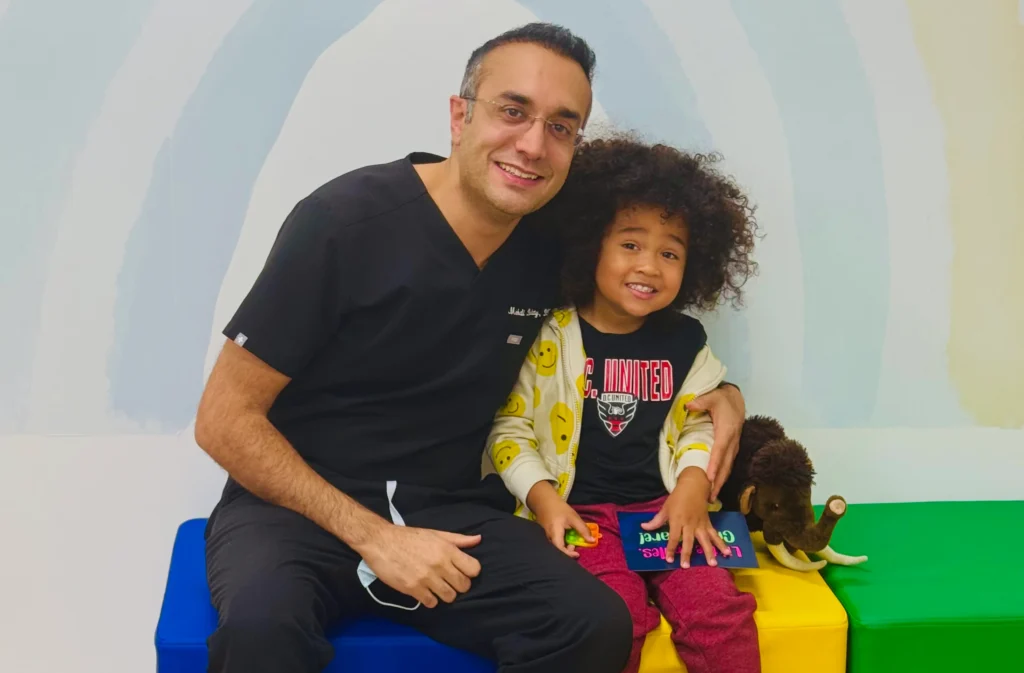
At ChildSmiles OC, we recognize the importance of providing children with positive early dental experiences. Our team of pediatric dental professionals specializes in providing gentle, child-friendly care that puts both parents and little ones at ease. We’ve helped countless families in Orange County successfully navigate their first dental visits, and we’re here to support you through every step of your child’s oral health journey.
Prepare Your Child Before the Visit
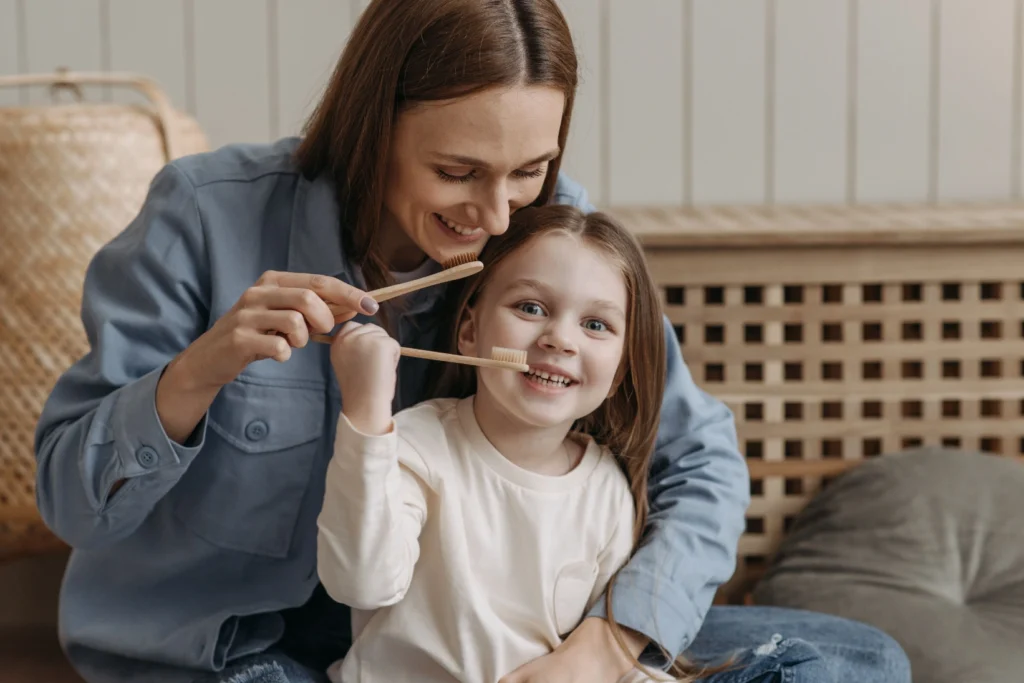
Children often fear the unknown, so familiarizing them with what to expect can significantly reduce their anxiety. Discuss the upcoming dental visit several days in advance, using positive, age-appropriate language emphasizing the importance of healthy teeth.
While many children go to the dentist for the first time between three and six, the American Academy of Pediatric Dentistry recommends the first dental visit occur by age one. Reading children’s books about dental visits can be an excellent way to teach your child about the dentist at any age. Many colorful picture books feature favorite characters visiting the dentist, showing children that dental appointments are a regular part of growing up. You might also role-play a dental visit at home, taking turns being the dentist and the patient with your child to make the experience more familiar.
Try to avoid using frightening words like “hurt,” “pain,” or “shot” when discussing the dental visit. Instead, focus on how the dentist will “count,” “clean,” and “check” their teeth to keep them strong and healthy. Your positive attitude is contagious, so your child is more likely to feel the same way if you seem relaxed and confident about the appointment.
Plan Around Their Schedule
The timing of your child’s first dental visit can significantly impact their overall experience. Consider these factors when booking their appointment:
-
- Choose an appointment time when your child is typically well-rested and in good spirits
-
- Avoid scheduling during usual nap times or when your child might be hungry
-
- Morning appointments often work well for many children when they’re fresh and alert
- Allow plenty of time to arrive without rushing, as feeling hurried can increase anxiety
Planning around your child’s natural rhythms helps ensure they’re in the best possible mood for this new experience. Remember to feed your child a light meal before the appointment, as hunger can add to irritability. In contrast, a heavy meal might cause discomfort during their examination.
Create Positive Associations
The way you frame the dental visit can shape your child’s perception. Present the appointment as an exciting milestone rather than something to dread or fear. Consider implementing a reward system to create positive associations with dental visits. This may include allowing your child to select a special outfit for their appointment or plan a fun activity afterward. Having something to look forward to can help shift focus away from nervousness about the visit.
Some parents also find success with creating a dental visit “countdown” with small daily rewards like stickers, small toys, or a special outing to the park leading up to the big day.
Bring Comfort Items
Familiar objects can provide security in new environments. Consider bringing a comfort item to help your child feel more at home, including:
-
- A favorite stuffed animal or blanket
-
- A small toy to hold during the examination
-
- Headphones with calming music or stories
- A favorite book to read in the waiting room
These comfort items serve as emotional anchors, giving your child something familiar to focus on in the new dental environment. Many children find it especially helpful to bring a stuffed animal that can “go first” in having its teeth checked, showing your child there’s nothing to fear.
Communicate With the Dental Team
When booking your child’s appointment, inform the staff that this will be their first dental visit. Most pediatric dental practices have protocols specifically designed for first-time patients and can tailor the experience accordingly. Don’t hesitate to share any specific concerns about your child’s temperament or potential triggers with the dental team. For example, if your child is sensitive to loud noises, the dentist might modify their approach by explaining each sound before it occurs or offering noise-canceling headphones.
Remember, pediatric dental professionals have extensive experience working with children of all ages and temperaments. They understand developmental stages and typical childhood fears and are skilled at adapting their approach to meet each child’s needs. Trust in their expertise while advocating for your child’s specific needs.
Contact ChildSmiles OC for Your Child’s First Dental Visit
Establishing positive dental habits early in life sets the foundation for lifelong oral health. At ChildSmiles OC, we’re committed to making your child’s first dental visit a positive experience they’ll remember fondly. Our child-friendly office environment, gentle approach, and specialized pediatric dental team create the perfect setting for introducing your little one to dental care.
We believe in partnering with parents to create healthy smiles that last a lifetime. Our team offers personalized guidance for each family, addressing your specific concerns and celebrating your child’s unique personality. For a dental experience designed with your child’s comfort in mind, call us today at (714) 451-4902 or schedule an appointment through our contact form.