Parents often ask when baby teeth fall out, especially once their child starts wiggling that first loose tooth. Baby teeth play an important role in speech, chewing, and guiding permanent teeth into place, so understanding the timing of tooth loss helps parents know what’s normal and when to seek guidance.
Knowing when baby teeth start falling out can also ease concerns about discomfort, appearance, and spacing. Every child is different, but there is a typical pattern most children follow. Working with Child Smiles OC can help ensure this transition happens smoothly.
The Typical Age Kids Start Losing Baby Teeth
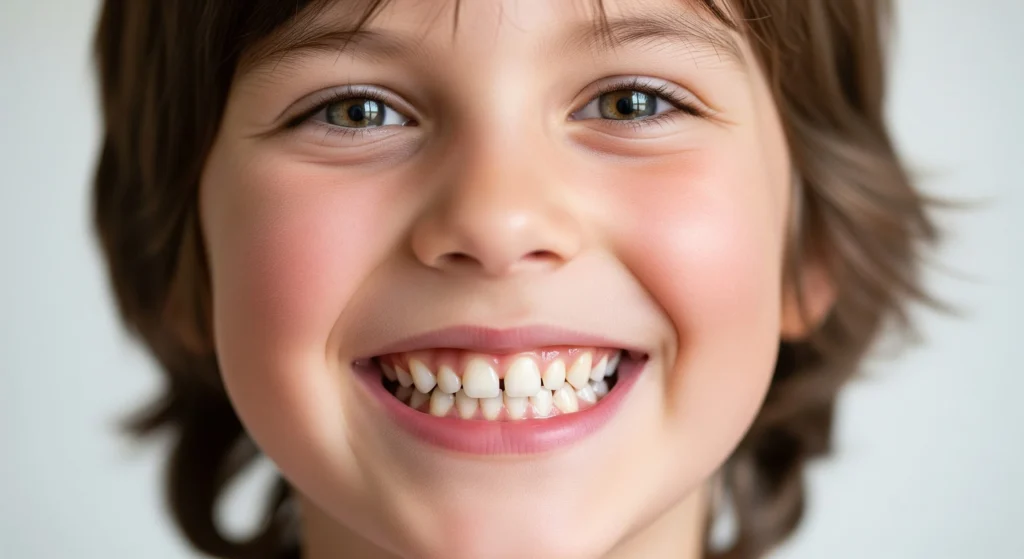
Most children begin losing baby teeth between the ages of 5 and 7. The first teeth to loosen are usually the lower front teeth, followed by the upper front teeth. While this stage may surprise parents, it’s a normal sign that permanent teeth are developing beneath the gums and gently pushing baby teeth out.
Our team of experienced pediatric dentists helps families navigate this transition and ensures each child’s smile develops on a healthy, age-appropriate timeline.
How Long Does the Baby Tooth–Lossing Process Really Take?
Parents wondering when their kids’ baby teeth fall out entirely should expect the process to take several years. While the first tooth may fall out around age 6, the last baby teeth usually don’t fall out until ages 11 to 13.
This gradual timeline allows the jaw and facial structure to grow properly, making room for adult teeth.
Front Teeth First: What Parents Can Expect
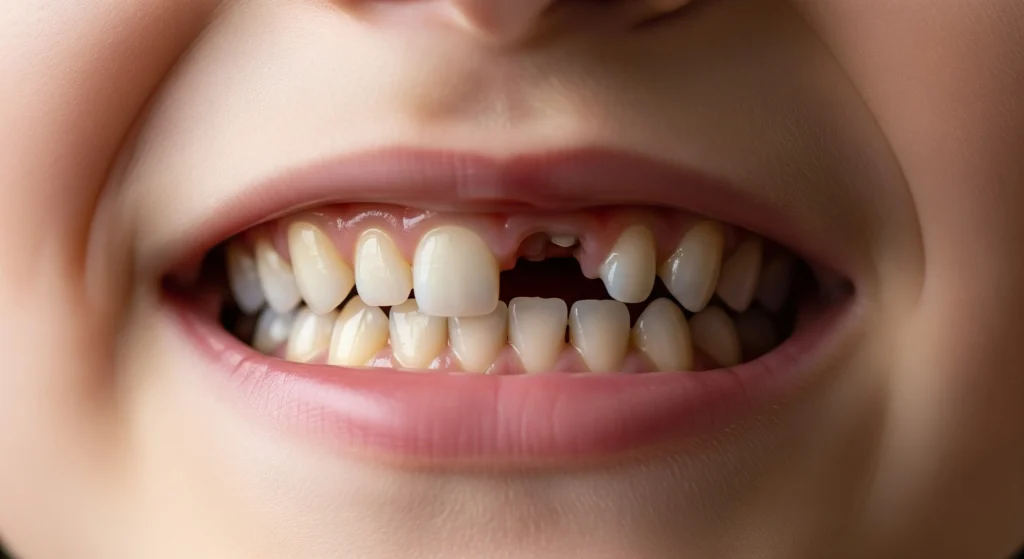
Front baby teeth are typically the first to go. Both the bottom and top front teeth usually fall out between ages 5 and 7.
Parents often ask when front baby teeth fall out because these teeth are the most visible. Early loss here is normal.
When Molars and Canines Finally Fall Out
Baby teeth, including molars and canines, fall out later than front teeth. If you’re wondering when baby teeth fall out, the answer is usually between ages 9 and 12.
These teeth stay longer because they support chewing and spacing until permanent molars are ready to erupt.
Why Bottom Baby Teeth Usually Fall Out First
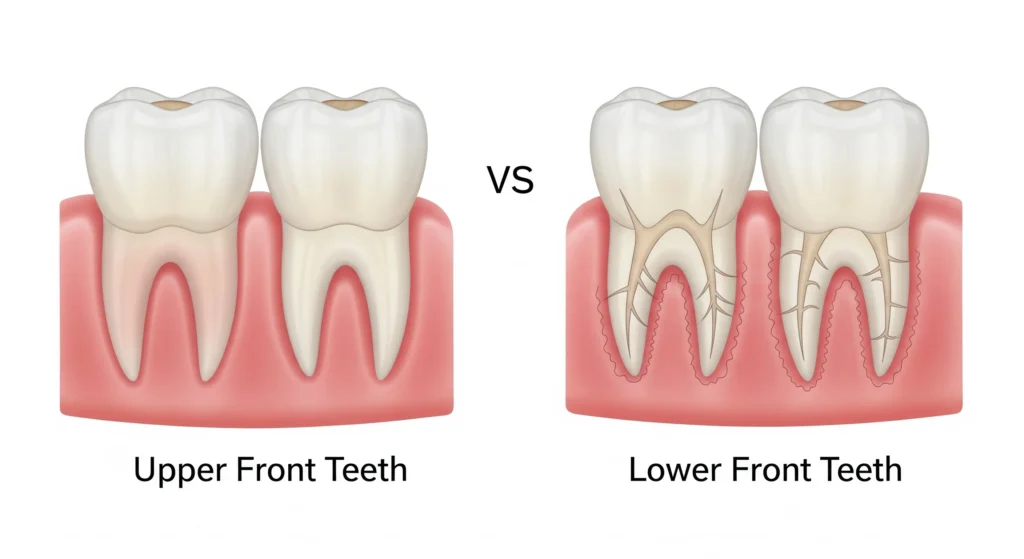
Many parents notice the bottom teeth loosening first. When do baby teeth fall out compared to others? Typically, earlier than the top teeth, especially the lower front teeth. This natural sequence helps guide proper alignment as permanent teeth come in.
A Pediatric Dentist in Fullerton can help monitor this process and ensure your child’s tooth development is progressing as expected.
Does Losing Baby Teeth Hurt? What’s Normal and What’s Not
A common concern is whether baby teeth hurt when they fall out. Most children feel only mild discomfort or pressure. Some tenderness is normal, but pain is usually minimal.
If swelling, prolonged pain, or bleeding occurs, a dental visit is recommended.
What Parents Should Do When a Baby Tooth Comes Loose

Parents often ask what to do when baby teeth fall out. Encourage gentle wiggling, good oral hygiene, and avoid forcing a loose tooth out.
Once a tooth falls out, keep the area clean and watch for the permanent tooth to appear over the next few months.
When the Last Baby Teeth Are Gone
If you’re wondering when baby teeth stop falling out, most children finish losing all baby teeth by early adolescence. When the last baby teeth fall out typically occurs between ages 11 and 13.
At this stage, regular dental checkups are especially important as the mouth transitions fully to permanent teeth.
Helping Your Child Through Every Tooth-Loss Milestone
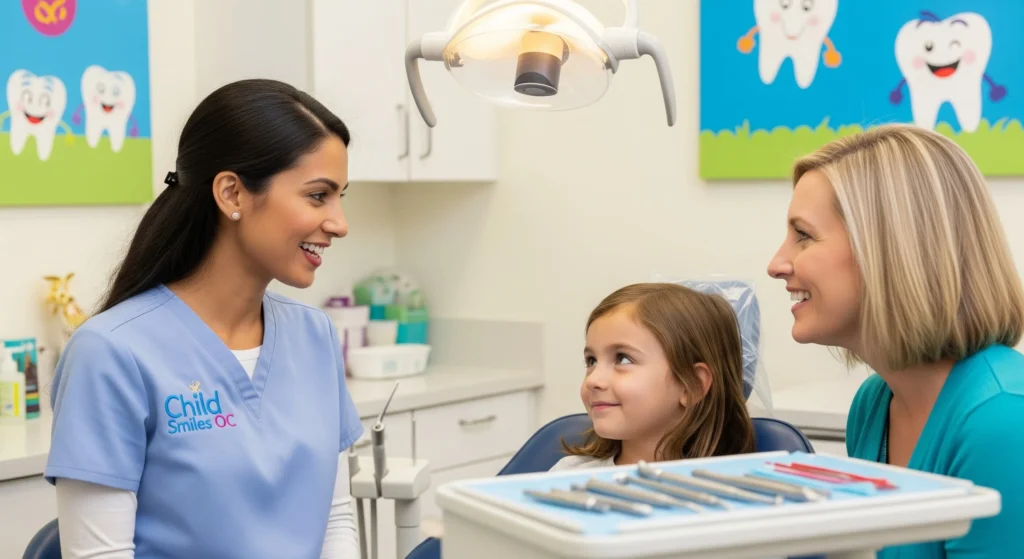
Understanding when baby teeth fall out helps parents support their child’s oral development with confidence. Monitoring tooth loss, maintaining good hygiene, and scheduling routine dental visits all play an important role in a healthy transition.
At Child Smiles OC, families receive age-appropriate care focused on comfort, prevention, and long-term dental health. Support your child’s healthy smile early by scheduling a dental checkup with Child Smiles OC, where personalized guidance helps ensure every stage of development stays on track.