When it comes to your child’s smile, early care can make a big difference. Many parents assume orthodontics is just about braces for teens, but orthodontics for kids often starts much earlier than that.
Understanding how your child’s teeth and jaw develop can help you make confident decisions and avoid bigger issues down the road. In this guide, we’ll walk you through everything you need to know in simple, practical terms.
If you are looking for guidance from a Pediatric Dentist in Fullerton, this blog will help you feel more prepared for what’s ahead.
What Is Orthodontics for Kids and Why Does It matters
Orthodontic care for kids focuses on guiding the growth of your child’s teeth and jaw while they are still developing. This early approach allows dentists to catch small issues before they turn into more complex problems.
Understanding Orthodontic Treatment for Kids
Orthodontic treatment for kids can include braces, aligners, or other appliances that gently move teeth into better positions. The goal is not just straight teeth, but a healthy bite and proper jaw alignment.
How It Helps Growing Smiles Stay Healthy
When teeth and jaws are aligned properly, it is easier for kids to chew, speak, and clean their teeth. This reduces the risk of cavities, gum issues, and uneven wear over time.
When Should Your Child First See an Orthodontist
A common question parents ask is, “When should my child have their first orthodontic visit?”
Most experts recommend an orthodontic evaluation for kids around age 7. At this stage, permanent teeth are starting to come in, and early signs of alignment issues can be spotted.
What Happens During an Orthodontic Evaluation for Kids
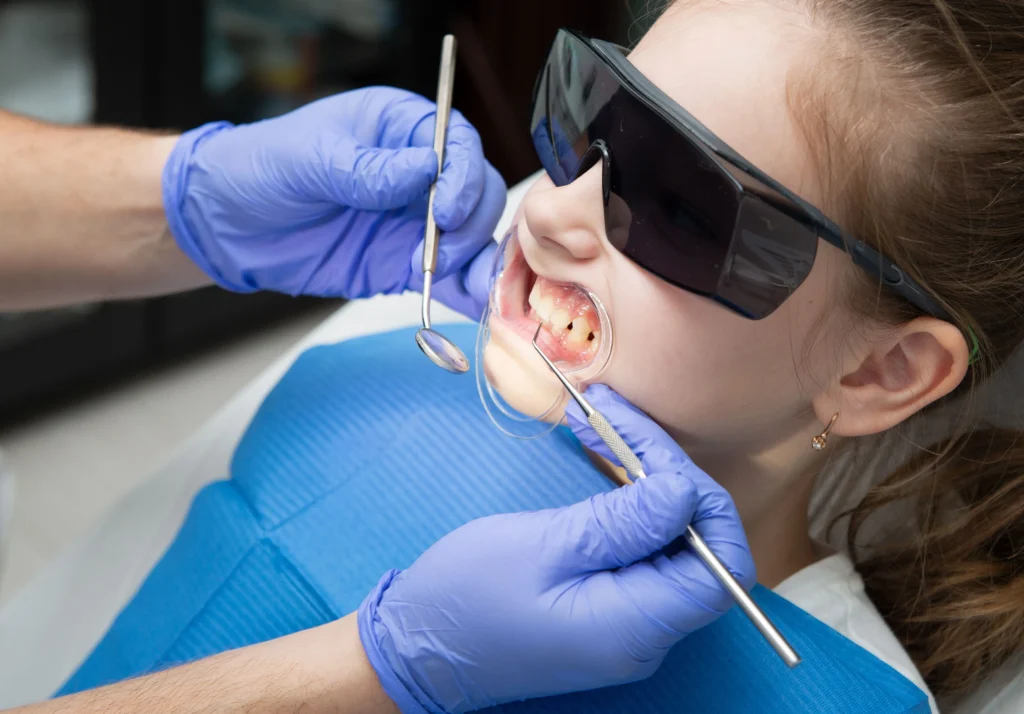
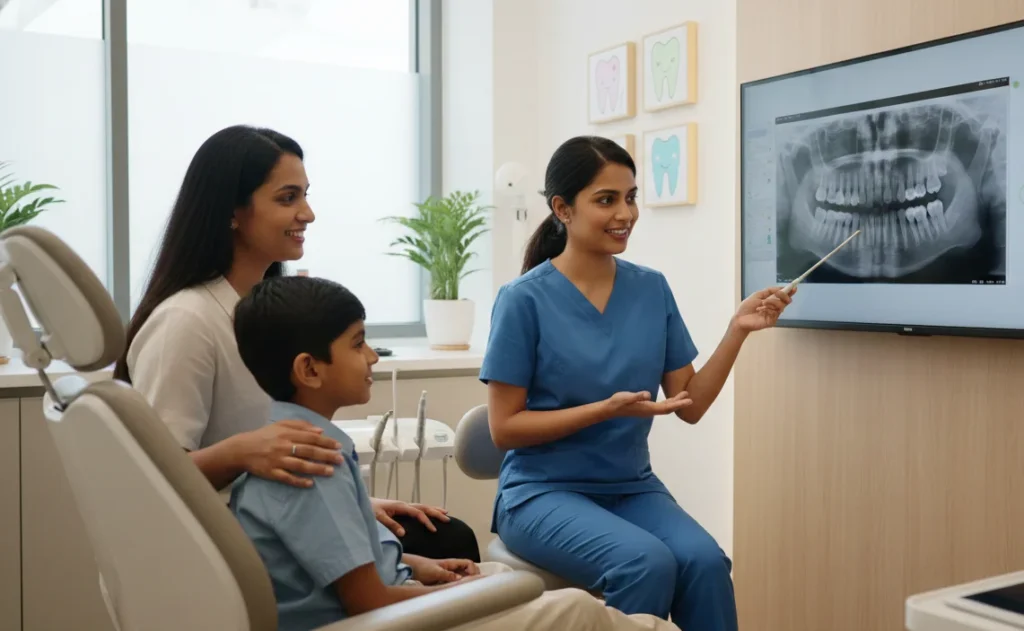
During the visit, your dentist or orthodontist will examine your child’s teeth, jaw growth, and bite. They may take X-rays or digital scans to get a complete picture.
What Parents Can Expect at the First Visit
The appointment is simple and stress-free. You will receive clear recommendations, and in many cases, no immediate treatment is needed, just monitoring as your child grows.
Signs Your Child May Need Early Orthodontic Care
Some signs to watch for include:
- Crowded or overlapping teeth
- Early or late loss of baby teeth
- Difficulty chewing or biting
- Thumb-sucking past age 5
- Jaw shifting or clicking
Common Bite, Spacing, and Alignment Concerns
These early signs can indicate that early orthodontic care may be helpful in guiding proper development.
Benefits of Early Orthodontic Treatment for Kids
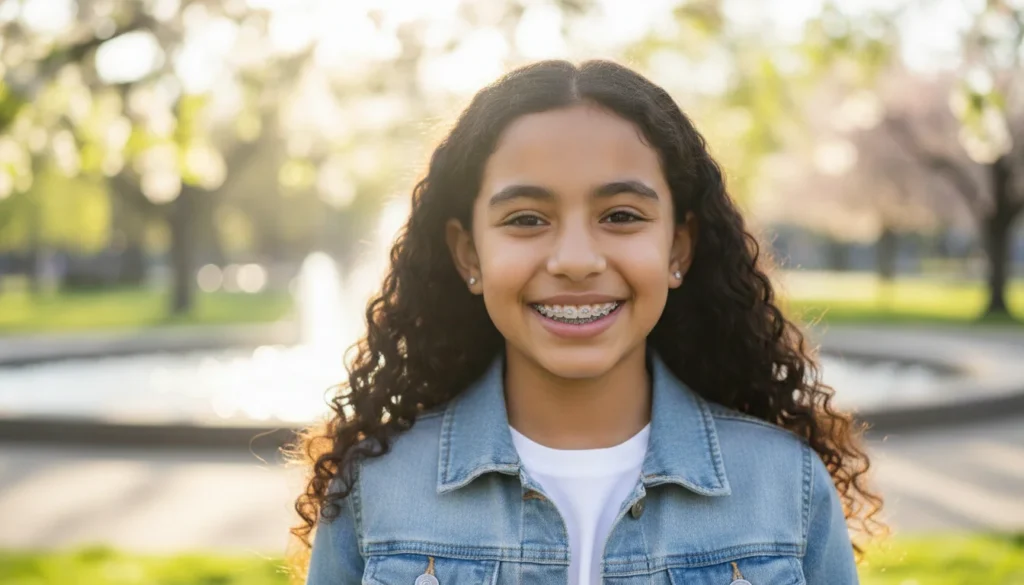
Starting treatment early does not mean your child will have braces forever. In many cases, early care actually reduces the need for more intensive treatment later.
How Early Care Supports Jaw Growth and Development
One of the biggest benefits of early orthodontic treatment for kids is helping the jaw grow correctly. This creates enough space for permanent teeth to come in naturally.
Creating Space for Permanent Teeth
By addressing spacing early, your child may avoid extractions or complex procedures in the future.
Long-Term Benefits for Oral Health and Confidence
Early treatment can also improve your child’s confidence. When kids feel good about their smile, it shows in how they speak and interact with others.
Easier Treatment Later and Better Results
In many cases, early intervention leads to shorter and simpler orthodontic treatment during the teen years.
Common Orthodontic Treatment Options for Kids
There is no one-size-fits-all approach. Orthodontic treatment options for kids are tailored to your child’s unique needs.
Traditional Braces and Modern Alternatives
Braces are still one of the most effective tools for correcting alignment. Today’s options are smaller, more comfortable, and easier to manage than ever before.
Choosing the Right Orthodontic Options for Kids
Your dentist will recommend the best orthodontic options for kids based on age, dental development, and the severity of the issue.
Clear Aligners vs Braces for Younger Patients
Clear aligners may be an option for older children who can follow instructions carefully. For younger kids, braces are often more reliable.
What Works Best for Different Ages
The right solution depends on your child’s habits, comfort level, and treatment goals.
Tools and Appliances Used in Orthodontic Care for Young Kids
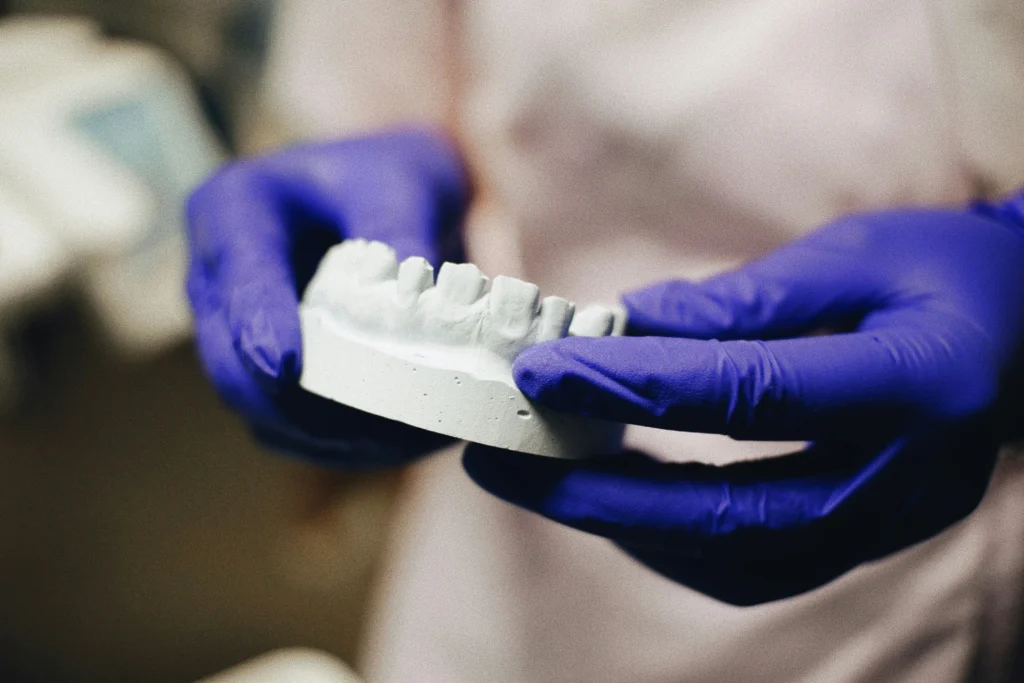
In addition to braces, there are other tools used in orthodontic care for young kids to guide proper development.
How an Orthodontic Expander for Kids Works
An orthodontic expander for kids is used to widen the upper jaw. This helps create space and improves how the upper and lower teeth fit together.
Helping the Jaw Grow Properly
Expanders are especially helpful when the jaw is too narrow, which can lead to crowding or crossbites.
When Orthodontic Spacers for Kids Are Needed
Orthodontic spacers for kids are small separators placed between teeth to make room for bands used in braces.
Preparing Teeth for Braces
They are usually temporary but play an important role in preparing for treatment.
How to Support Your Child During Orthodontic Treatment
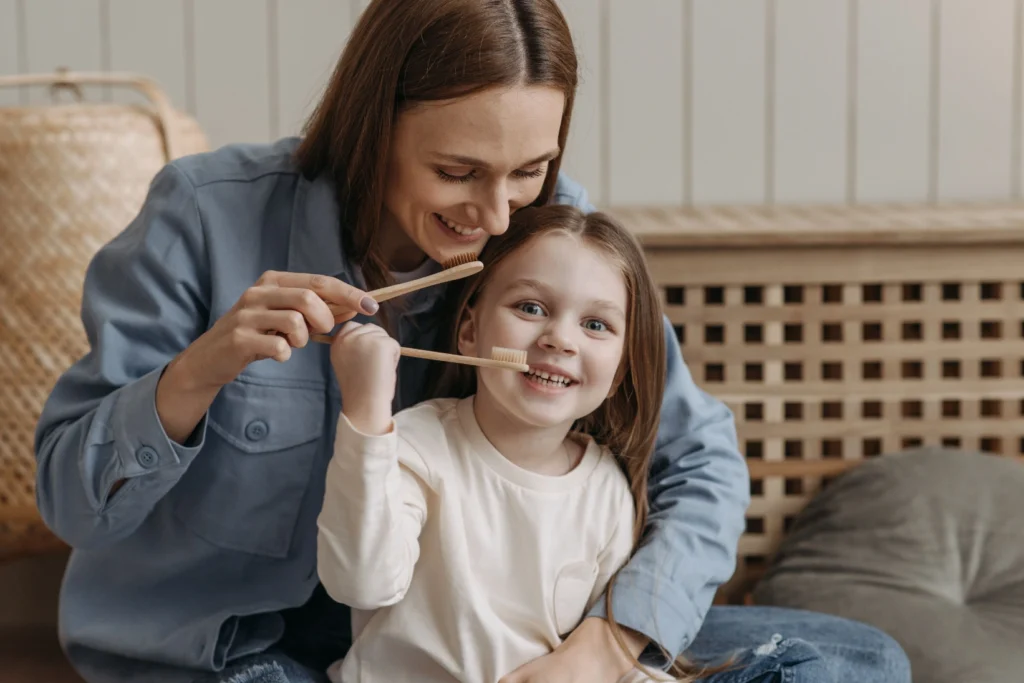
Parents play a big role in helping kids stay on track during treatment.
Daily Habits for Healthy Teeth and Gums
Encourage your child to:
- Brush twice a day
- Floss daily
- Avoid sticky or hard foods
- Attend regular dental visits
Brushing, Flossing, and Food Tips
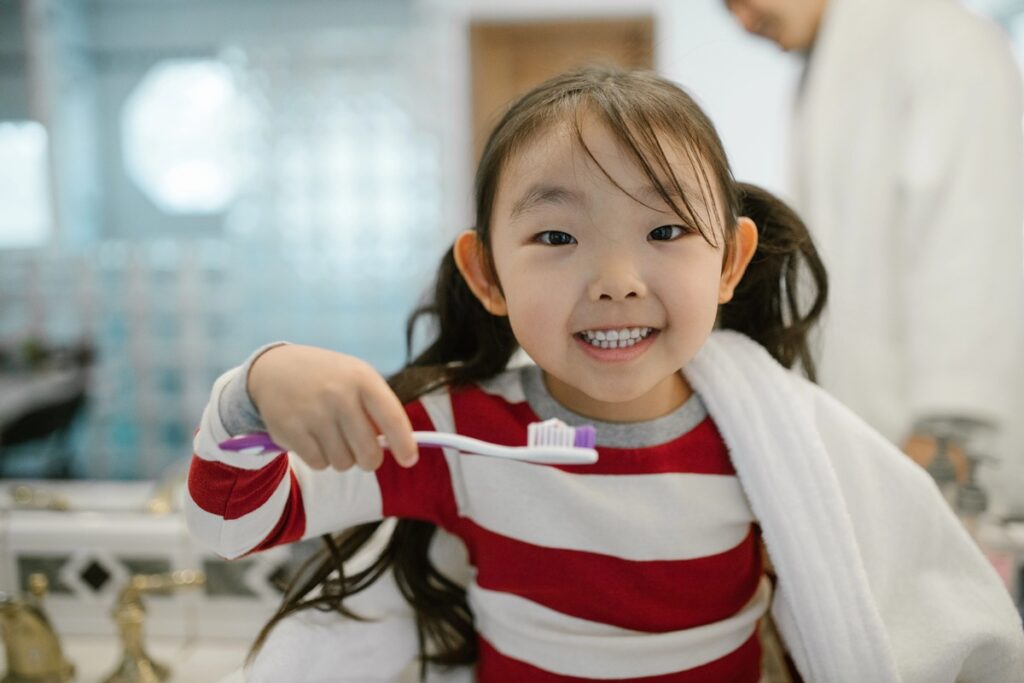
Keeping teeth clean during orthodontic treatment helps prevent cavities and keeps everything progressing smoothly.
Making Orthodontic Care for Young Kids Easier at Home
Simple steps like using orthodontic wax or choosing softer foods can make a big difference in comfort.
Keeping Kids Comfortable and Motivated
Positive encouragement and small rewards can help kids stay consistent with their care routine.
A Healthier Smile Starts with Early Orthodontic Care
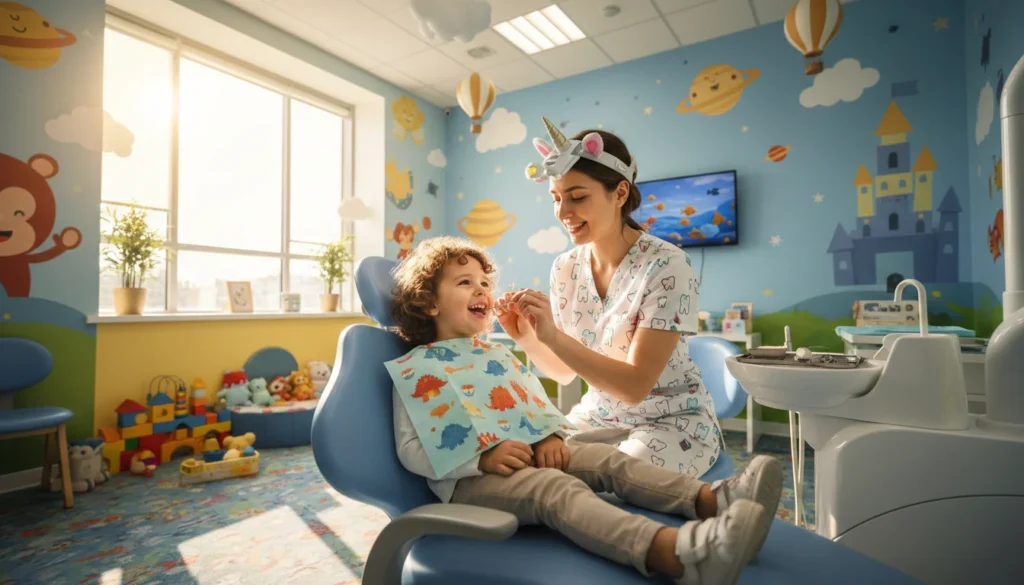
Orthodontic care for kids is not just about straightening teeth. It is about supporting healthy growth, preventing future problems, and helping your child feel confident in their smile.
The earlier you understand your child’s needs, the more options you have to guide their development in a simple, effective way.
If you are considering orthodontic care, connecting with our team at ChildSmiles can help you take the next step with confidence.
FAQs About Orthodontic Care for Kids
At what age should my child see an orthodontist?
Most children should have their first orthodontic evaluation around age 7.
Do all kids need braces?
No, not every child needs braces. Some only require monitoring or minor early treatment.
Are expanders and spacers painful?
They may feel uncomfortable at first, but most kids adjust quickly within a few days.
How long does orthodontic treatment for kids take?
Treatment length varies, but it can range from several months to a couple of years, depending on the case.
What are the best orthodontic treatment options for kids?
The best option depends on your child’s needs, age, and dental development.
Can early orthodontic care prevent braces later?
In some cases, yes. Early treatment can reduce the need for more complex care later.
How do I know if my child needs orthodontic care for young kids?
If you notice crowding, bite issues, or spacing concerns, it is best to schedule an evaluation