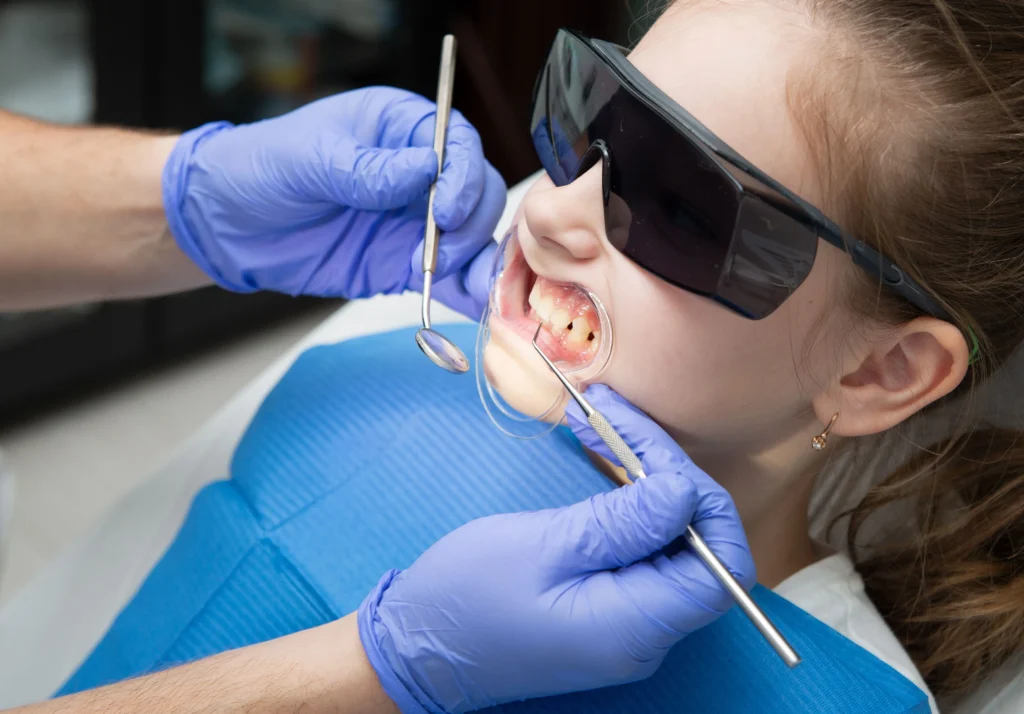
We’ve all had those nights where brushing feels like one task too many, and skipping it once probably won’t hurt. But making it a habit is a different story. Skipping brushing triggers rapid plaque buildup, gum disease, and cavities with effects that reach beyond your mouth, and it all builds up faster than you might expect. Within hours, bacteria start colonizing your teeth; within days, your gums begin to react; and within weeks, the damage can become harder, and more expensive, to undo.
Here’s what’s actually happening in your mouth when your toothbrush sits unused, and why getting back on track sooner rather than later genuinely matters.
Why Brushing Your Teeth Is Non-Negotiable
Brushing removes plaque, a sticky film harboring 300+ bacterial species, according to the University of Illinois, that forms within hours of eating. Bacteria feed on sugars and produce acid that wears down enamel over time. Think of plaque like wet concrete: manageable early, nearly impossible once hardened into tartar. The ADA recommends brushing twice daily for two minutes. Beyond protecting enamel, brushing also shields your gums from early inflammation, two of the most important reasons to build this habit consistently. Understanding what brushing actually protects against makes the two-minute routine feel a lot more worthwhile.
What Happens When You Don’t Brush Your Teeth: A Timeline
Not brushing your teeth once versus chronically are very different situations.
One day: Sulfur-producing bacteria cause bad breath; a fuzzy film coats teeth. Fully reversible, don’t panic.
One week: Plaque hardens into tartar within 48 hours. Gums redden and bleed, early gingivitis. Enamel erosion begins.
One year: By this point, deep decay can set in, raising the risk of tooth loss, extractions, or root canals and even jawbone impact in more advanced cases. At this stage, cavity prevention becomes essential, but prevention at this point may require more than brushing alone.
Forgot Once vs. Chronic Neglect
| Missed Once | Chronic Neglect |
| Bad breath, temporary plaque | Cavities, gum disease, tooth loss |
| Fully reversible | Structural damage, systemic risk |
What happens when you don’t brush your teeth consistently is categorically more serious than a single missed night, but the good news is that it’s never too late to get back on track.
The Bigger Health Picture: What Happens If You Don’t Brush Goes Beyond Your Mouth
Oral health has a way of reflecting, and affecting, your overall wellbeing, because bacteria don’t stay where they start. Consequences of not brushing your teeth regularly include:
- Heart disease/AFib: Brushing three or more times daily was associated with meaningfully lower atrial fibrillation risk in a large European study published in the European Journal of Preventive Cardiology.
- Diabetes: Gum disease and poor blood sugar control can make each condition worse, each one can make the other harder to manage.
- Cognitive decline: Emerging research suggests a link between oral bacteria and dementia; promising, but not yet conclusive.
The good news is that improving your brushing habits can start reversing some of these risks relatively quickly. Small, consistent changes in your oral care routine are genuinely worth making, for your whole body’s sake.
The Real Cost of Skipping the Toothbrush
A toothbrush costs under $5. Compare that to the cost of a single filling ($150–$300 on average) or a root canal ($700–$1,500), the math makes brushing one of the highest-return habits you can build. Skipping brushing is like skipping oil changes until the engine fails. Investing in regular dental checkups alongside daily brushing is what keeps those bigger costs off the table.
That’s why early prevention is at the heart of what we do at Child Smile Pediatric Dentistry. Dr. Mehdi Salari and his team prioritize oral health education and building lifetime healthy smile habits, because catching decay early in children prevents far more complex and costly treatment later.
How to Protect Your Smile Starting Today
Follow the ADA’s routine: brush twice daily for two minutes with fluoride toothpaste, floss once daily. Fluoridated water reduces childhood decay by 18–40%. When brushing isn’t possible, rinse with water, use mouthwash, or chew sugar-free gum to stimulate saliva which is a bridge, not a replacement. The encouraging part? Once you restart consistent brushing, the damage stops and your mouth begins to recover. For kids especially, building this routine early sets the foundation for a lifetime of healthy smiles. It’s never too late to start.
If you’re ready to make sure your child’s smile is on the right track, schedule a visit with Dr. Mehdi Salari, a trusted pediatric dentist in Fullerton, and the team at Child Smile Pediatric Dentistry.
FAQs about Brushing Your Teeth
Is it really that bad to skip brushing my teeth one night?
One night won’t cause cavities, but habit will. If you’re too tired, at least rinse with water or mouthwash before bed.
How quickly can cavities actually form if I stop brushing?
Plaque starts within hours and begins eroding enamel within 48. Visible cavities take weeks to months of neglect.
Can mouthwash or chewing gum replace brushing?
No. They reduce bacteria and freshen breath but don’t physically remove plaque. Useful as a bridge, not a substitute.
If I haven’t been brushing well for a while, can the damage be reversed?
Early gum disease and surface plaque, yes. Hardened tartar needs a professional cleaning, and bone loss can’t be undone. The sooner you restart, the more you save.
What should I do if I genuinely can’t brush, like when traveling?
Rinse with water, chew sugar-free gum, and skip sugary foods. Travel toothbrushes or dental wipes work in a pinch.