Many parents wonder when kids start going to the dentist and whether it’s really necessary to schedule a visit so early. The truth is, a child’s dental journey begins sooner than most people think, often before their first birthday.
Early dental visits help prevent cavities, establish healthy habits, and make children comfortable in a dental setting from the start. Knowing the right time to schedule your child’s dental appointment gives them the best foundation for a lifetime of healthy smiles.
When Do Kids Start Going to the Dentist and What I should Expect?
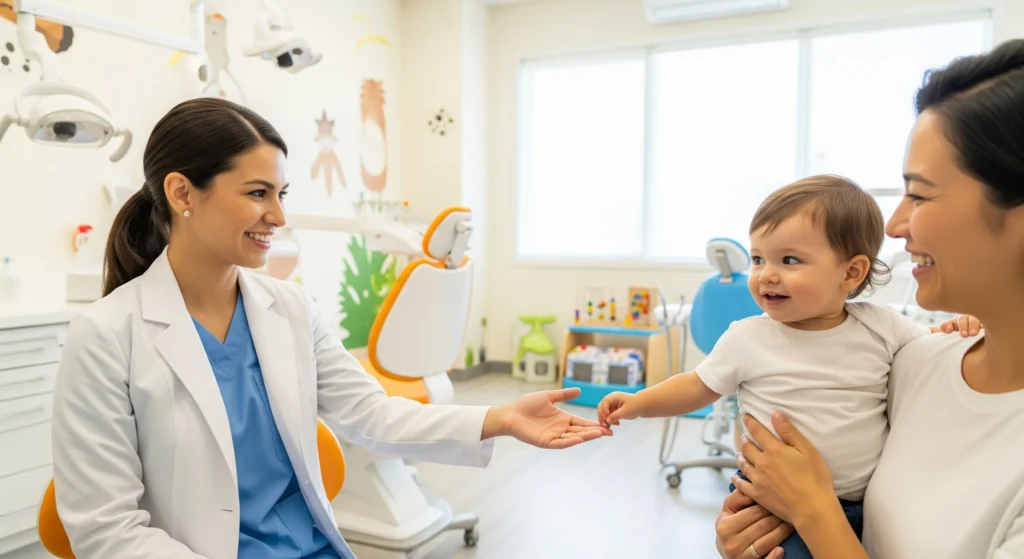
The American Academy of Pediatric Dentistry recommends scheduling a child’s first dental visit by their first birthday or within six months of their first tooth coming in.
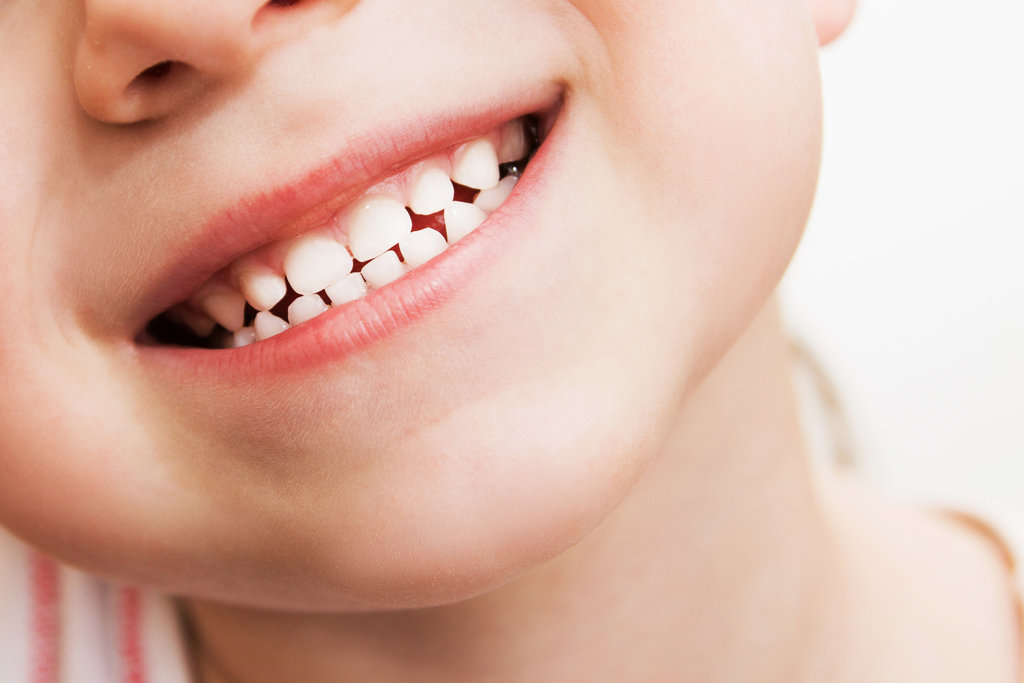
That may sound early, but baby teeth play an important role in chewing, speech development, and guiding adult teeth into place. Early visits allow dentists to check growth, monitor development, and catch small issues before they become big ones.
If you’re wondering when kids go to the dentist, the answer is simple: sooner rather than later. Early visits build familiarity and confidence, making future appointments much easier.
When Should an Infant Go to the Dentist?
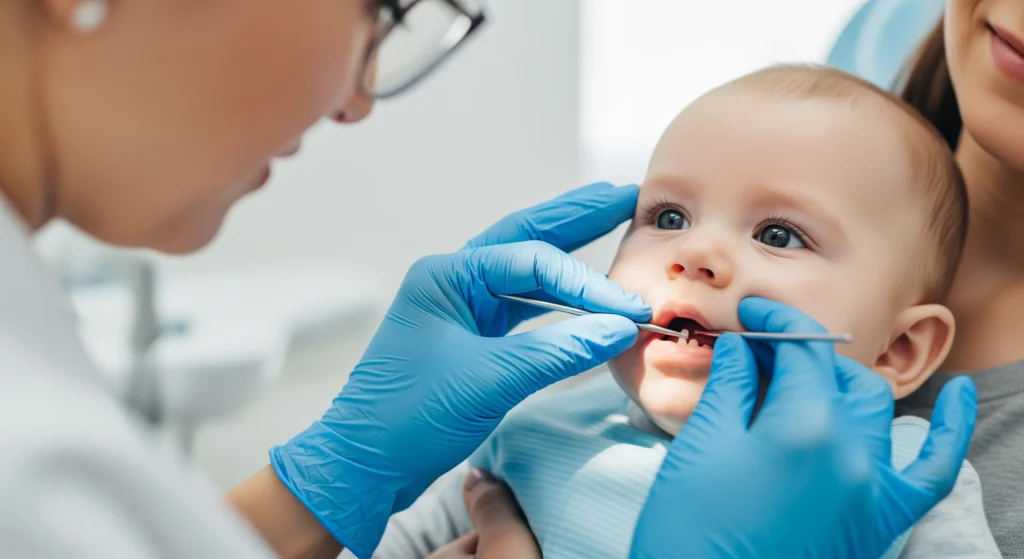
Parents often ask when an infant should go to the dentist or when to take the baby to the dentist for the first time. The ideal time is when the first tooth appears or by age one.
This early visit focuses on prevention, education, and comfort. The dentist will examine your baby’s mouth, discuss feeding habits, teething, and oral hygiene, and answer any questions you may have.
Many families are surprised to learn that when babies go to the dentist, early dental care is an important part of overall health. The same guidance applies if you’re asking when to take an infant to the dentist; early visits help ensure your child’s smile develops properly.
What Happens at a Child’s Dental Appointment?
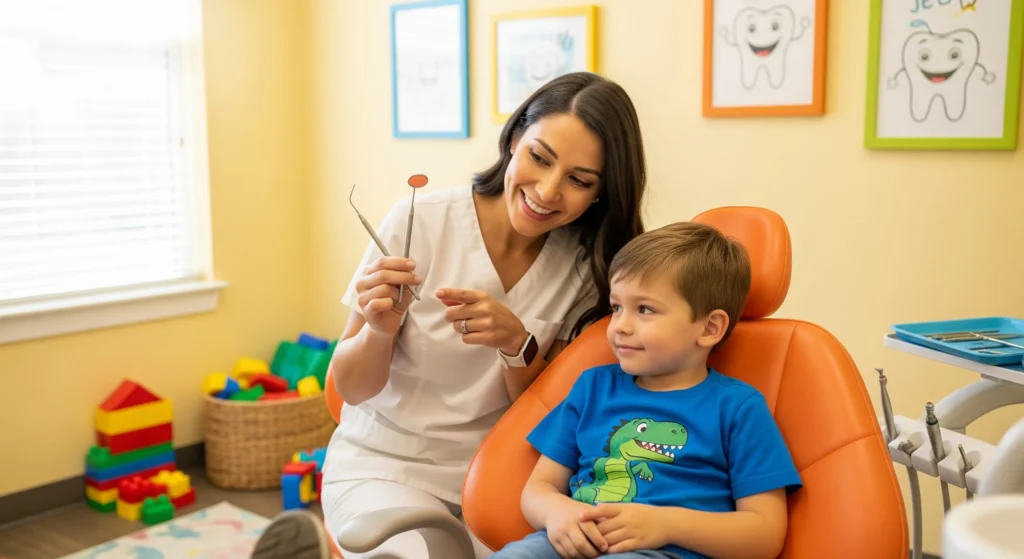
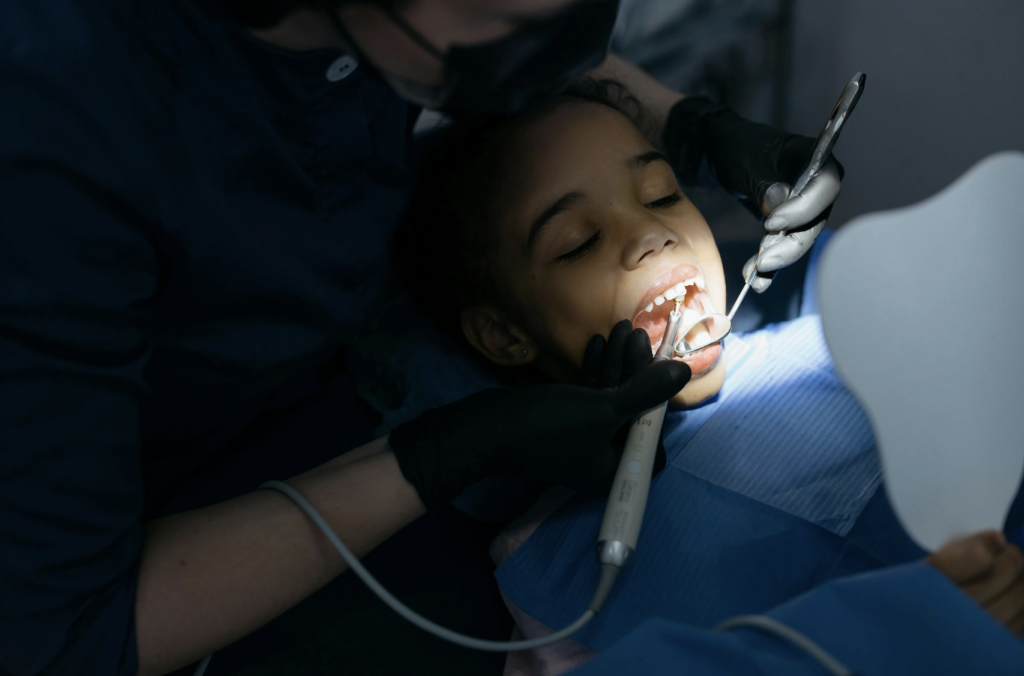
A child’s dental appointment is designed to be gentle, quick, and stress-free. During a children’s dental exam, the dentist checks teeth, gums, jaw development, and bite alignment.
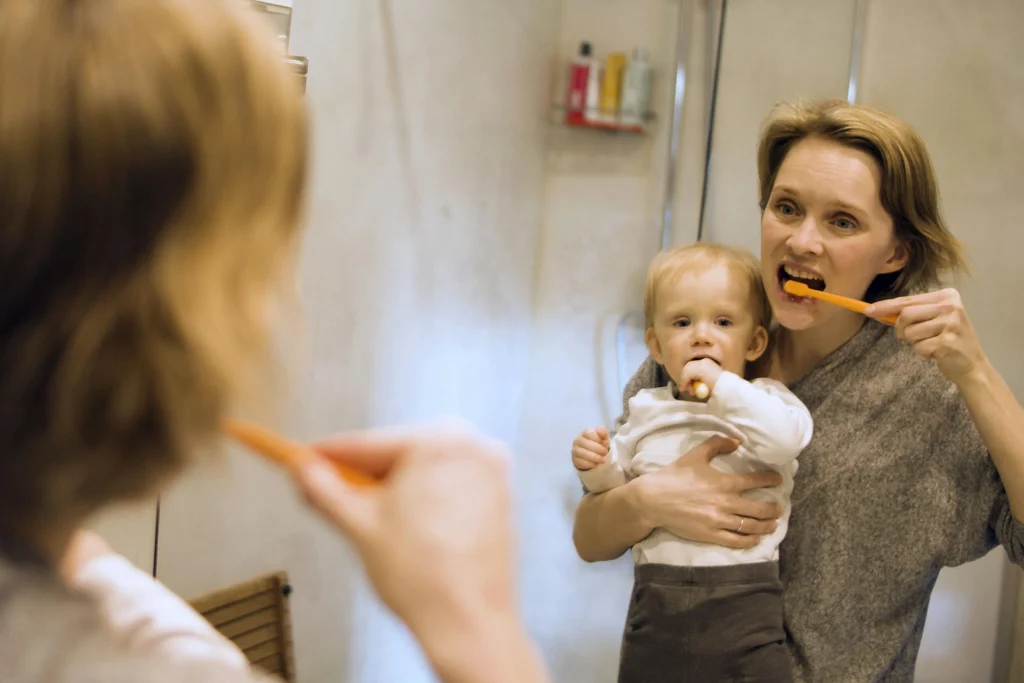
As your child gets older, visits may include children’s teeth cleaning to remove plaque and keep teeth healthy. The dental team will also show your child how to brush properly and talk about foods that help protect their smile.
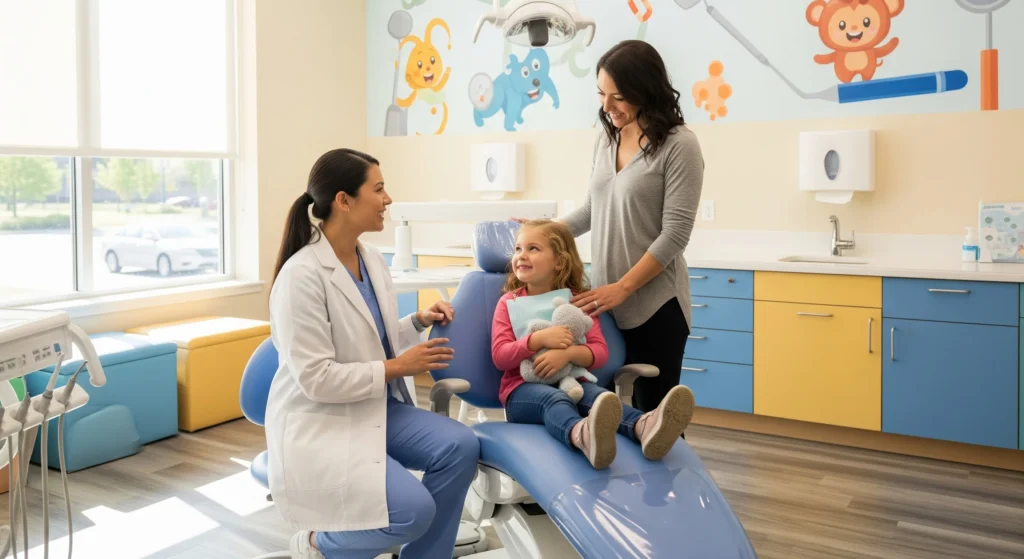
If you’re preparing for a first dentist appointment, expect a friendly introduction, a simple exam, and lots of encouragement.
Why Early Dental Care for Kids Matters
Good dental care for kids starts early. Regular visits help prevent cavities, teach healthy habits, and build positive experiences with dental care.
A child who feels comfortable at the dentist is more likely to continue regular visits and maintain strong oral health as they grow. Early care also allows dentists to guide parents on brushing, diet, and oral development.
At ChildSmiles OC, our team focuses on creating a welcoming, fun environment that helps kids feel relaxed and confident from their very first visit. As a trusted Pediatric Dentist in Fullerton, we’re proud to support families through every stage of their child’s smile.
A Healthy Start for a Lifetime of Smiles

Starting dental visits early gives your child a strong foundation for lifelong oral health. With the right care, guidance, and support, dental appointments become a normal and positive part of growing up.
If your child is ready for their first visit, the team at ChildSmiles OC is here to make it a comfortable, reassuring experience for both you and your little one.