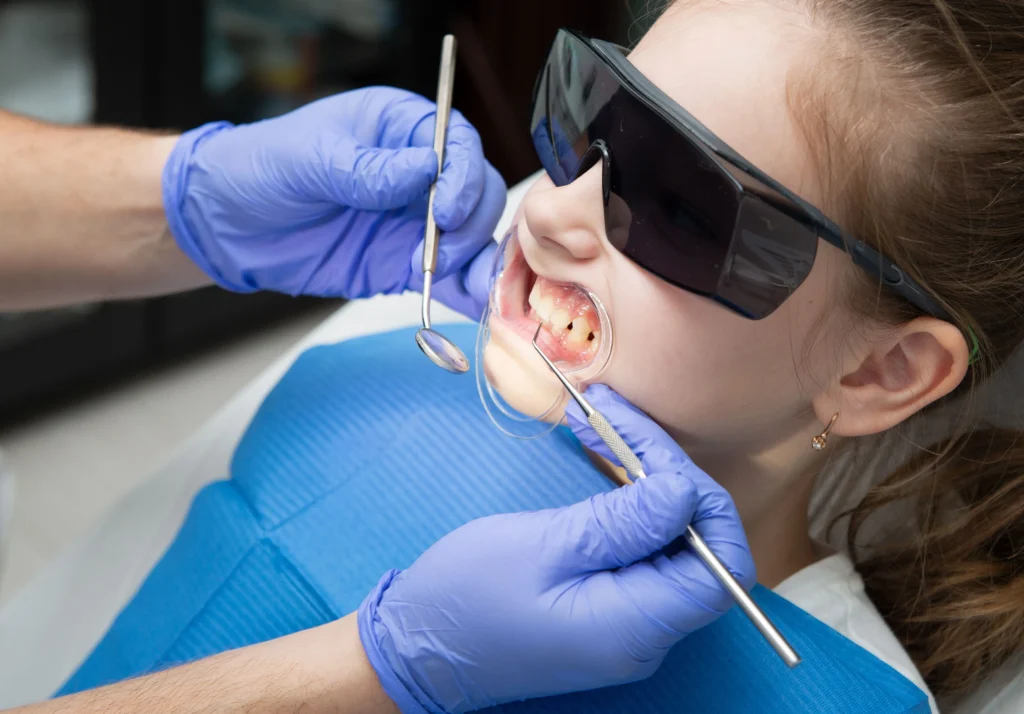
A pulpotomy is a specialized pediatric dental procedure designed to save a baby tooth when decay or trauma reaches the nerve inside the tooth, but the infection hasn’t spread to the tooth’s root. This gentle treatment removes only the infected portion of the nerve tissue from the crown area while preserving the healthy nerve tissue in the roots, allowing your child to keep their natural tooth until it naturally falls out.
At ChildSmiles OC, Dr. Mehdi Dowlaty and our team understand how important it is to preserve your child’s natural teeth for proper development, speech, and chewing function. As board-certified pediatric dentists with over 15 years of experience, we perform pulpotomies with precision and care, ensuring your child remains comfortable throughout the entire process.
When Does Your Child Need a Pulpotomy?
Your child may require a pulpotomy when a baby tooth has been damaged by deep decay or injury that affects the nerve tissue. Unlike adult teeth, baby teeth have different structures and healing capabilities, making pulpotomies an ideal solution for preserving these important placeholder teeth.
Common signs your child might need this procedure include persistent tooth pain, sensitivity to hot or cold foods, swelling around a tooth, or visible decay that appears deep. However, some children may not experience obvious symptoms, which is why regular dental checkups at our parent resources center are crucial for early detection.
The procedure becomes necessary when the nerve tissue in the crown portion of the tooth is infected or inflamed, but the root nerves remain healthy. This scenario often occurs when cavities progress deeply into the tooth or when trauma causes nerve damage without affecting the entire root system.
The Pulpotomy Procedure Process
During a pulpotomy, we first ensure your child is completely comfortable using appropriate anesthesia techniques tailored for pediatric patients. We then carefully remove the infected nerve tissue from the crown portion of the tooth while leaving the healthy root nerve tissue intact.
After removing the damaged tissue, we clean and disinfect the area thoroughly. The space is then filled with a special medication that promotes healing and prevents further infection. Finally, we place a protective crown over the treated tooth to restore its function and protect it from future damage.
The entire process typically takes 30 to 45 minutes, and most children experience minimal discomfort. Our state-of-the-art facility includes iPads and TVs in treatment rooms, helping keep young patients relaxed and entertained during their visit.
Benefits and Recovery
Pulpotomies offer numerous advantages over tooth extraction, particularly for maintaining proper spacing for permanent teeth. According to the American Dental Association, babies develop all their primary teeth while in the jaw, with first teeth typically erupting around 6 months and complete eruption by age 3, making preservation of these natural spaceholders essential for proper dental development.
Recovery from a pulpotomy is typically straightforward, with most children returning to normal activities within a day or two. You may notice some mild sensitivity immediately following treatment, but this usually subsides quickly. We provide detailed aftercare instructions to ensure optimal healing and long-term success.
The treated tooth can function normally for years, often lasting until the permanent tooth is ready to emerge naturally. This preservation helps maintain proper bite alignment, facial development, and speech patterns while your child grows.
Post-Treatment Care Guidelines
Caring for your child’s treated tooth involves several important steps to ensure lasting success. Here are the key guidelines we recommend:
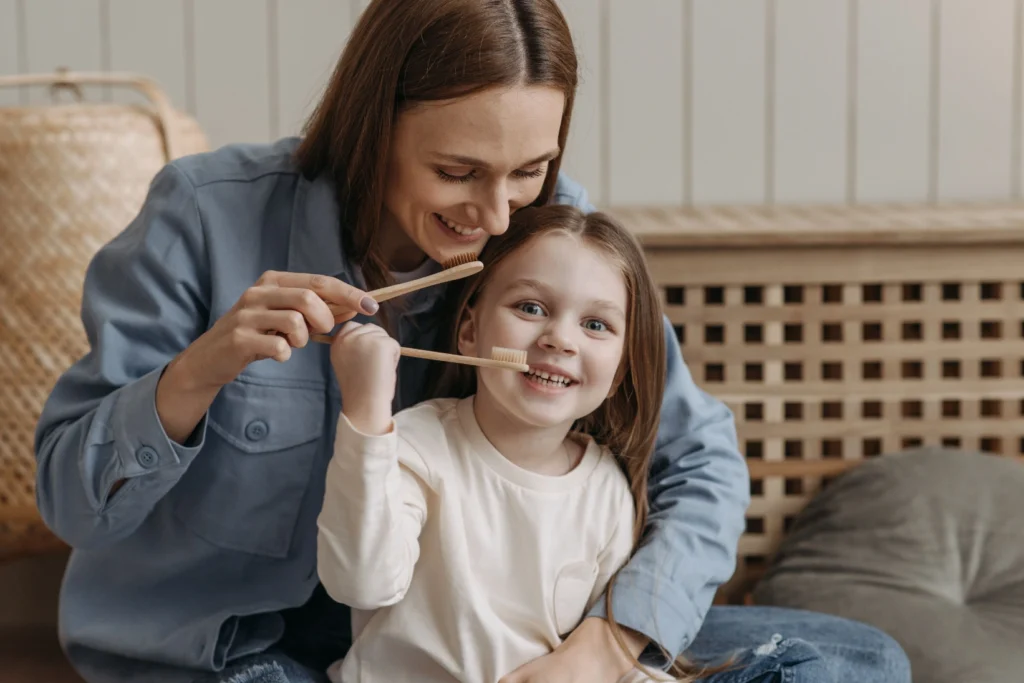
- Keep the treated area clean with gentle brushing and regular flossing
- Avoid hard, sticky, or chewy foods for the first few days after treatment
- Use lukewarm water for drinking and avoid extremely hot or cold beverages initially
- Schedule regular follow-up appointments to monitor healing and crown condition
- Contact our office immediately if your child experiences severe pain or swelling
Following these simple care instructions helps ensure the pulpotomy remains successful and your child’s tooth stays healthy until it naturally exfoliates. Regular dental visits allow us to monitor the treated tooth and address any concerns promptly.
Choose ChildSmiles OC for Expert Pediatric Dental Care
At ChildSmiles OC, we combine advanced pediatric dental techniques with a compassionate approach designed specifically for children and families throughout Orange County. Dr. Mehdi Dowlaty’s board certification and extensive experience in pediatric dentistry ensures your child receives the highest standard of care in a comfortable, kid-friendly environment featuring modern amenities like iPads and entertainment systems.
Our comprehensive approach to pediatric dentistry means we can address all your child’s dental needs under one roof, from routine preventive care to specialized treatments like pulpotomies. We work with most insurance plans and offer flexible scheduling to accommodate busy family life, making quality dental care accessible and convenient for Orange County families. To learn more about how we can help preserve your child’s smile, call us at (714) 253-3172 or schedule an appointment online with our caring team at ChildSmiles OC.