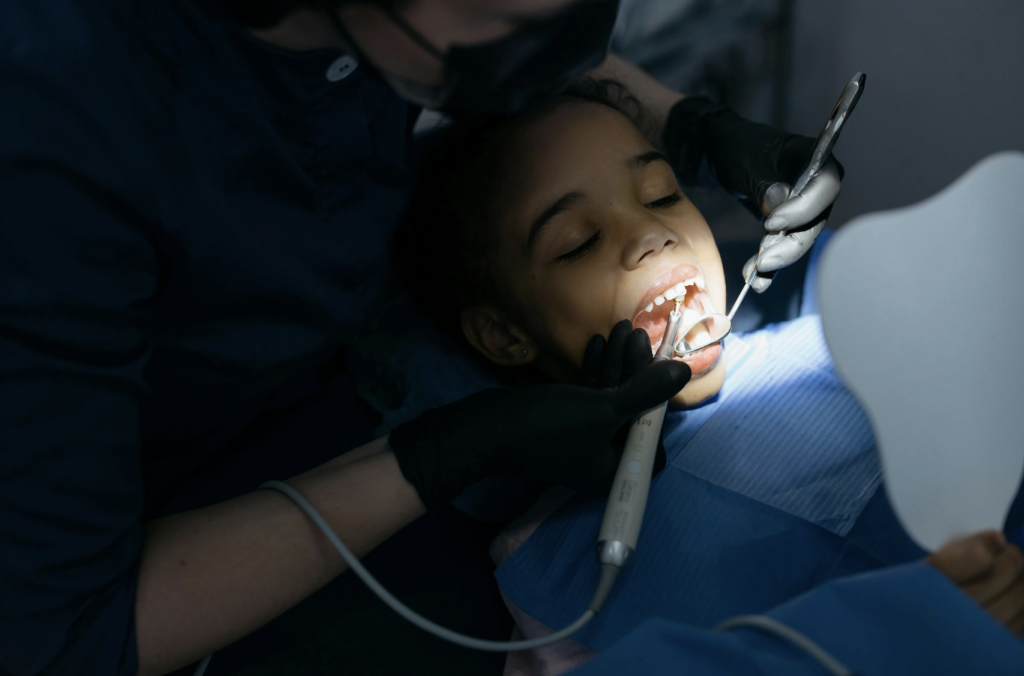
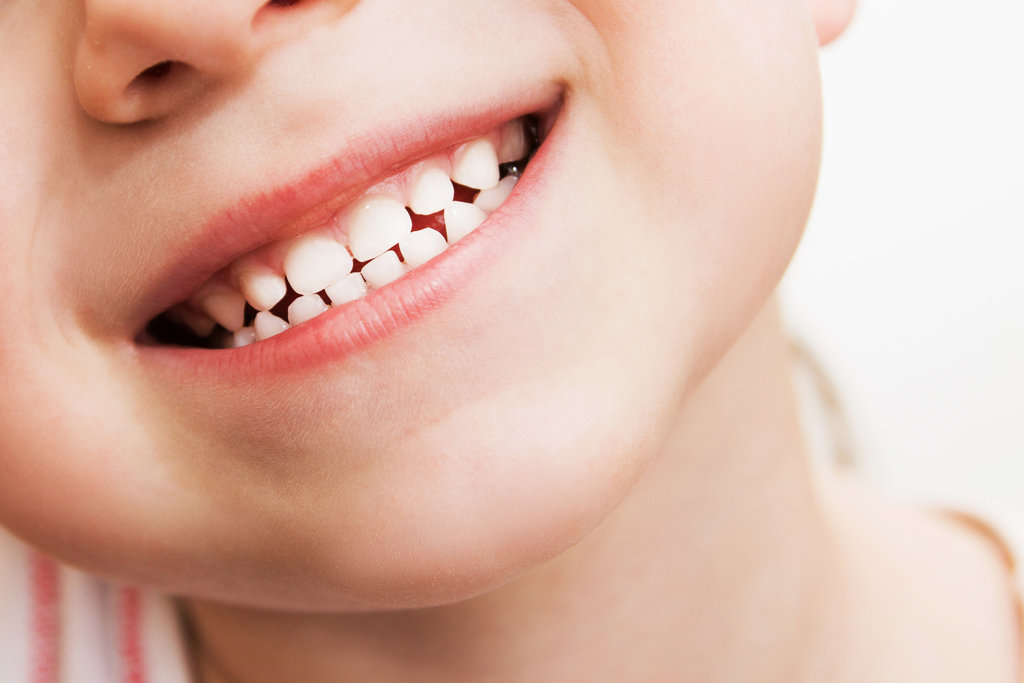
Cavities in preschoolers are more common than many parents expect, and they can develop quickly if early habits aren’t established. At this age, teeth are still developing, enamel is thinner, and children are learning how to care for their mouths with help from adults. Without consistent routines, tooth decay can take hold before parents even notice a problem.
Preschoolers are also at a stage where diet, brushing technique, and daily structure can change frequently. Missed brushing sessions, frequent snacks, or prolonged exposure to sugary drinks can accelerate damage to young teeth. Because baby teeth play a critical role in speech development, chewing, and guiding permanent teeth into place, protecting them is essential.
Preventing cavities in young children starts with understanding how cavities form, what causes tooth decay, and how daily habits influence children’s dental health. With the right approach, most childhood cavities are preventable, and early care can set the foundation for healthy adult teeth.
Parents who partner with a trusted Pediatric Dentist in Fullerton, such as Child Smiles OC, also gain guidance tailored to their child’s age, diet, and oral development, helping address risks before they become long-term issues.
What Causes Cavities in Preschoolers?
Tooth decay happens when bacteria in the mouth feed on sugars and starches left on teeth. These bacteria produce acids that weaken enamel over time. In preschoolers, this process can happen more quickly because brushing skills are still developing, and children may struggle to reach hard-to-reach areas.
Common contributors include frequent snacking, sugary drinks, bedtime milk or juice, and inconsistent brushing. Tooth decay in preschoolers often starts small, but without intervention, it can progress into painful dental cavity issues that affect eating, sleeping, and speech. Habits formed during these years strongly influence long-term oral health outcomes.
How Do Cavities Form in Young Teeth?
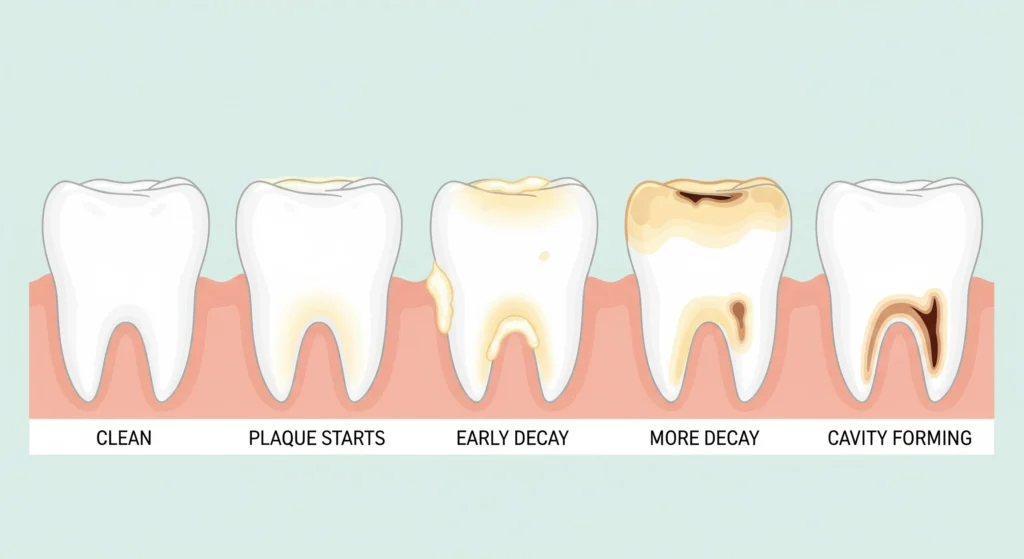
Understanding how cavities form helps parents prevent them. After a child eats, bacteria mix with food particles and form plaque. If plaque is not removed, acids begin attacking the tooth surface. Over time, the enamel breaks down, leading to visible damage.
In early stages, decay may not cause pain, which makes it easy to miss. That’s why regular brushing, flossing, and dental checkups are critical to catch children’s tooth decay before it worsens and spreads to neighboring teeth.
What Does a Cavity Look Like on a Tooth?
Parents often ask, what does a cavity look like on a tooth? Cavities don’t always look like obvious holes at first. Early signs may include white spots, chalky areas, or faint discoloration. These areas indicate mineral loss and early enamel breakdown.
Many parents also wonder what cavities are. The answer depends on the stage of decay. White spots suggest early damage, while brown or black areas often signal more advanced tooth decay that requires professional treatment.
Early Signs of Rotting Teeth in Children

Early signs of rotting teeth can be subtle. Sensitivity to hot or cold foods, complaints of tooth discomfort, or visible discoloration may signal a problem. In some cases, a child’s rotten teeth may show chipping, rough edges, or visible dark spots near the gumline.
Because preschoolers may not always explain pain clearly, routine visual checks at home and regular dental visits are essential for early detection and prevention.
The Role of Daily Brushing and Flossing
Consistent oral hygiene is the strongest defense against cavities. Children should brush twice daily with a small amount of fluoride toothpaste, with parents assisting or supervising to ensure thorough cleaning.
Flossing is often overlooked, but it’s important once teeth touch. Removing plaque between teeth reduces the risk of cavity formation in areas that toothbrushes can’t reach and supports healthier gums as children grow.
Diet Choices That Support Children’s Dental Health
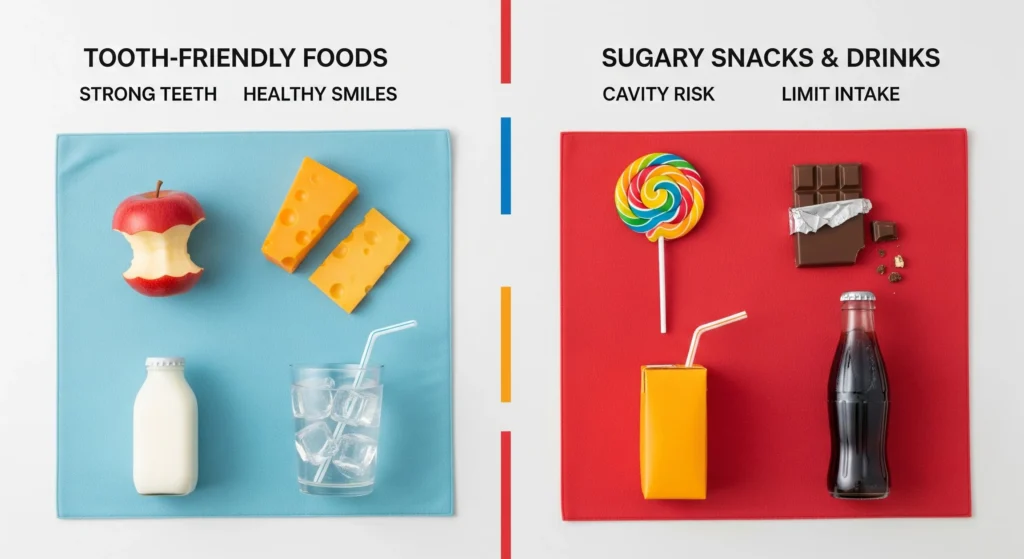
What children eat has a direct impact on their dental health. Limiting sugary snacks, sticky foods, and frequent grazing reduces exposure to cavity-causing acids. Water and milk are better drink choices than juice or sweetened beverages.
Parents often ask how I get rid of cavities through diet alone. While diet changes help prevent new decay and slow progression, existing cavities require professional treatment. Nutrition supports prevention, not reversal.
Infant Oral Care and Its Impact on Preschool Teeth
Strong dental habits begin earlier than many parents realize. Infant oral care sets the stage for healthier preschool teeth. Cleaning gums before teeth erupt and brushing as soon as the first tooth appears reduces early bacterial buildup.
Children who receive early oral care are less likely to experience severe tooth decay later in preschool years and tend to develop more consistent hygiene habits as they grow.
Preventing Children’s Tooth Decay With Regular Dental Visits
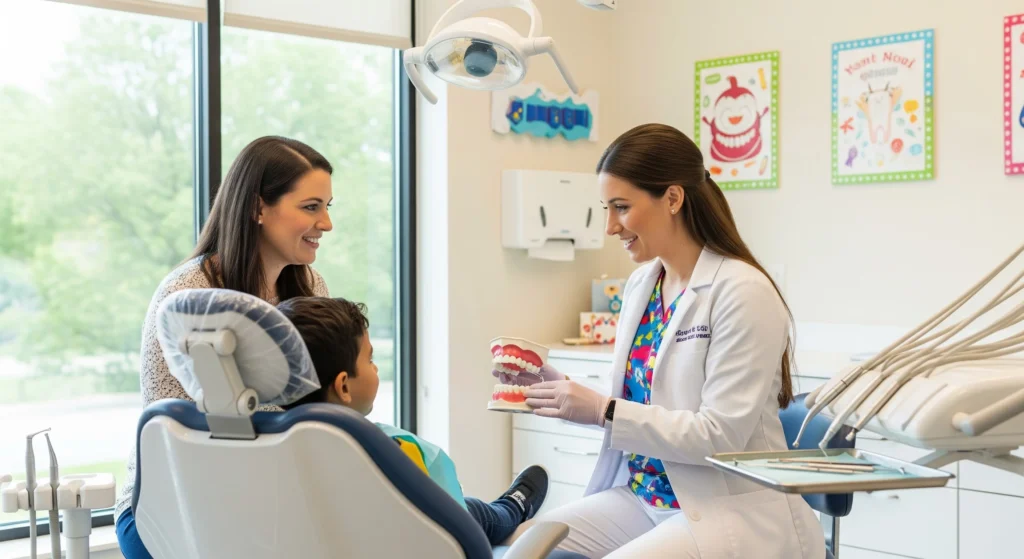
Routine dental checkups allow dentists to monitor development, apply protective treatments, and identify risks early. Professional cleanings remove plaque that brushing may miss, especially around molars and gumlines.
Dentists also educate parents on preventing children’s tooth decay based on individual risk factors, including diet, oral habits, and enamel strength.
Why Early Prevention Matters Long Term
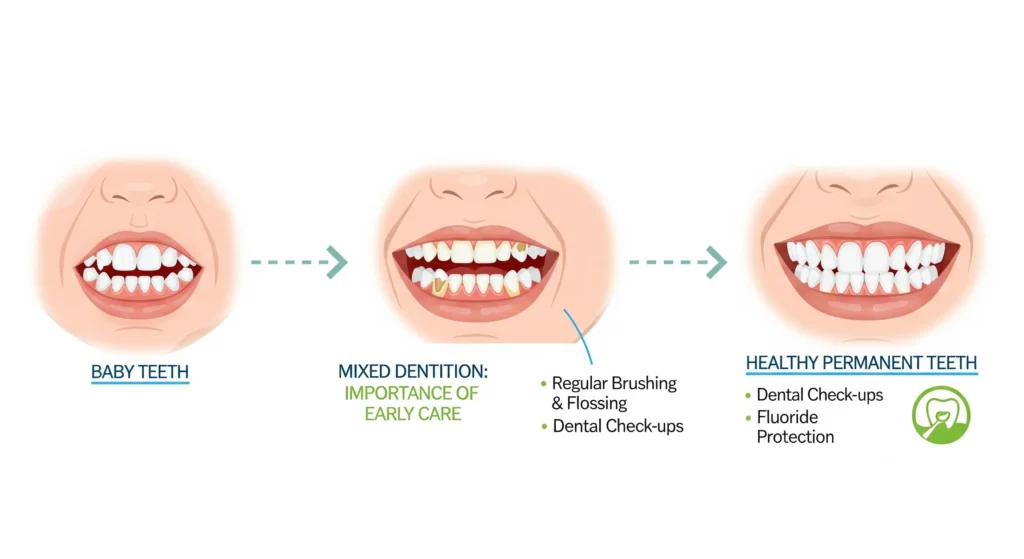
Untreated cavities can lead to infections, difficulty eating, and problems with permanent teeth development. Preventing cavities at a young age protects not only baby teeth but also long-term oral health and proper jaw development.
Early prevention reduces the need for more complex treatments later and helps children build positive dental experiences that last into adulthood.
Supporting Healthy Smiles at Child Smiles OC
At Child Smiles OC, prevention-focused care helps families protect their children’s teeth during the most important developmental years. By combining education, routine care, and early intervention, families can confidently support lifelong healthy smiles.
If you have concerns about cavities in children or want guidance tailored to your child, scheduling an early dental visit can make all the difference.