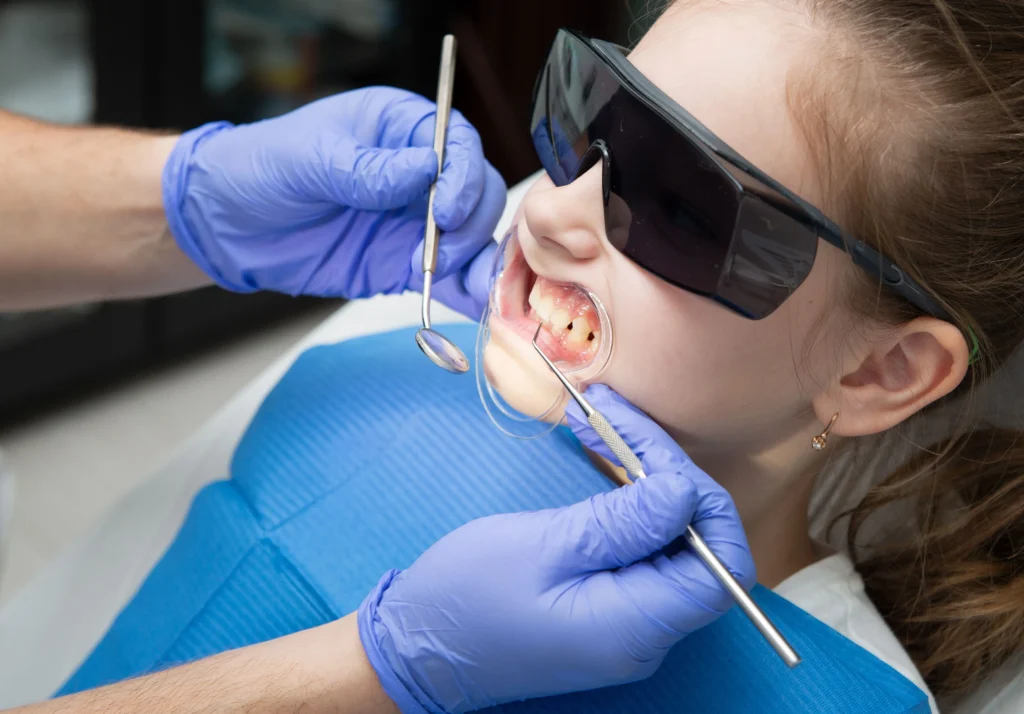
Dental Caries vs Cavities: What’s the Difference?

Published on

Dental caries vs cavities is a common point of confusion for parents. While often used interchangeably, they describe different stages of tooth decay. 


Dental caries is the disease process, while cavities are the visible damage it causes. Understanding the difference helps parents catch issues early and protect their child’s teeth.


A Pediatric Dentist in Fullerton, such as Child Smiles OC, can help determine where your child falls along this spectrum and recommend appropriate care.

Cavity vs Dental Caries: How They’re Related
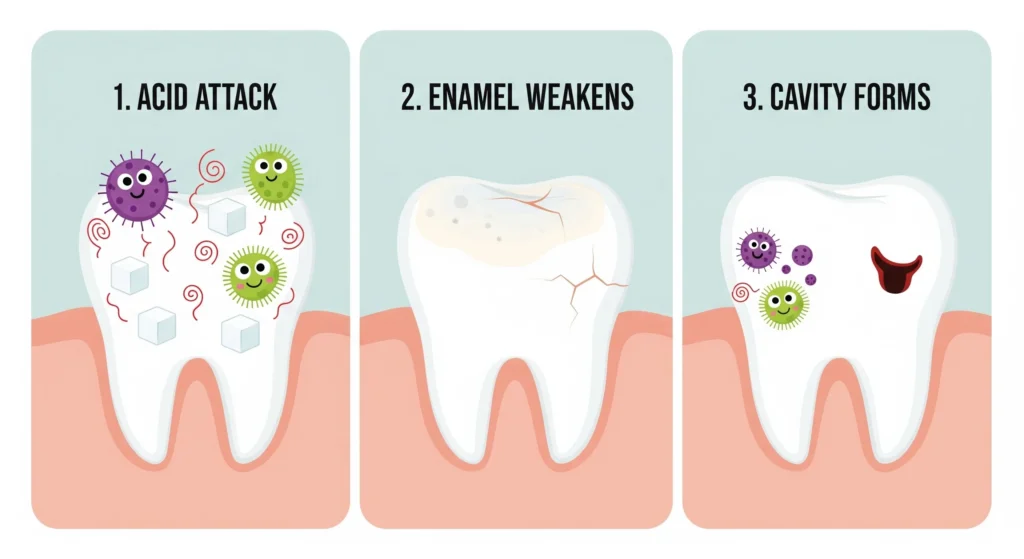
An illustration of tooth decay stages showing acid attack, weakened enamel, and a cavity forming.

When comparing cavity vs dental caries, think of caries as the disease and cavities as the result. Dental caries occur when bacteria produce acids that weaken enamel. 


If untreated, this process leads to a cavity. Early caries often cause no pain, making regular dental visits important to stop decay before damage forms.

Dental Caries vs Cavities: What Parents Should Watch For
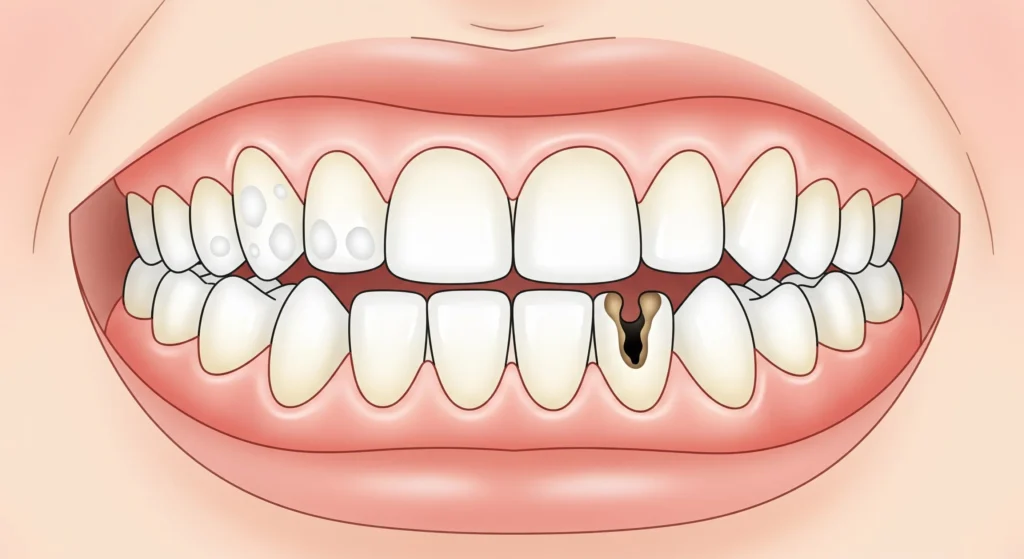
An illustration of dental caries as white spots on teeth and a visible cavity forming on a back tooth.

Early decay may appear as white or chalky spots, while advanced stages can look dark or form a visible cavity, often on hard-to-reach back teeth. Common cavity signs include sensitivity, discoloration, rough spots, or discomfort when eating.

Early Dental Caries and Reversing Decay
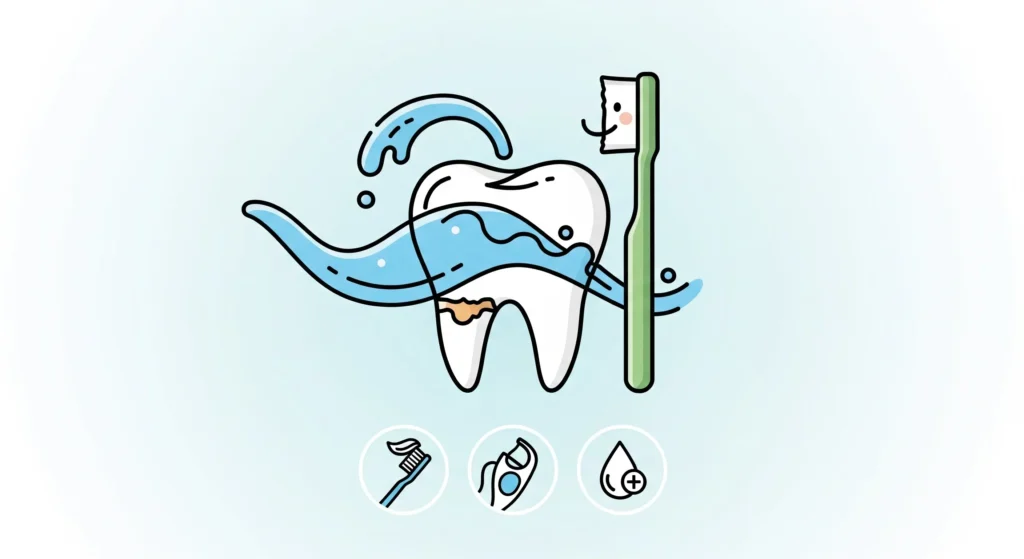
An illustration of early dental caries being reversed with brushing, fluoride, and good oral hygiene.

Early dental caries don’t always require drilling. In some cases, improved oral hygiene, fluoride treatments, and dietary changes can help reverse dental decay before a cavity forms. This makes early detection especially important for childhood dental caries.


Once a cavity develops, it cannot heal on its own. Parents looking to fix cavity issues or cure dental cavities should know that professional treatment is necessary to stop further damage.

Why Early Diagnosis Matters for Children
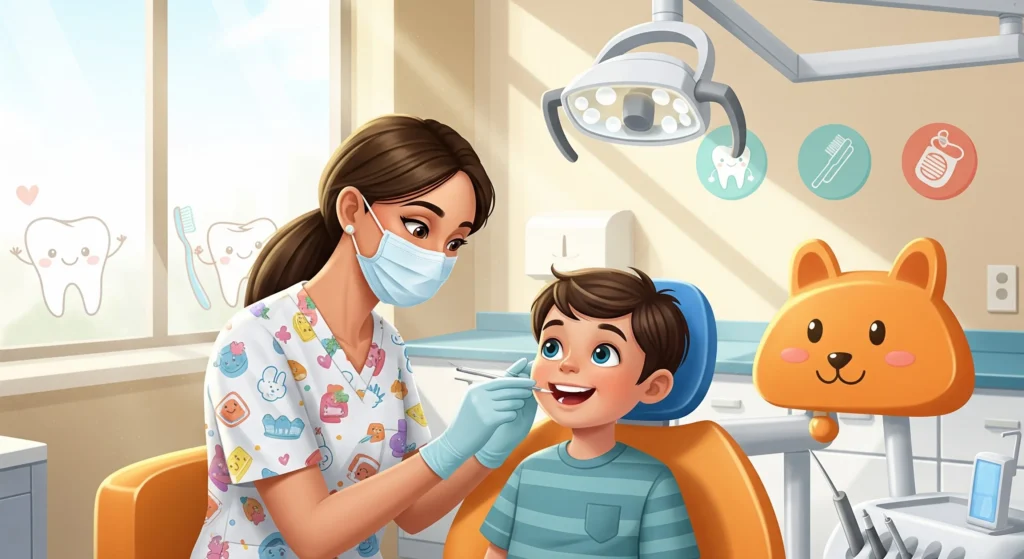
An illustration of a pediatric dentist examining a child during a routine dental checkup.

Understanding dental caries and cavities helps parents act sooner. Untreated decay can lead to pain, infection, and difficulty eating. In young children, cavities may also affect speech development and permanent tooth alignment.


Routine dental exams allow providers to monitor early decay and intervene before treatment becomes more complex, which is critical during early childhood when enamel is more vulnerable.

Supporting Healthy Smiles at Child Smiles OC

Recognizing the difference between dental caries and cavities empowers parents to protect their child’s oral health early. Addressing decay at its earliest stage reduces discomfort, prevents future complications, and supports healthy tooth development.


At Child Smiles OC, our team provides gentle, prevention-focused care designed for growing smiles. If you have concerns about early dental caries, a possible cavity, or signs of tooth decay, scheduling a visit with our team can provide clarity, reassurance, and a personalized care plan.


Early care leads to healthier smiles and confident kids!

 

Share this post

Related Posts

An illustration comparing dental caries vs cavities, showing early tooth decay and visible tooth damage.

Dental Caries vs Cavities: What’s the Difference?

Dental caries vs cavities is a common point of confusion for parents. While often used interchangeably, they describe different stages of tooth decay.    Dental caries is the disease process, while cavities are the visible damage it causes. Understanding the

Read More
A pediatric dentist gently examines a young child’s teeth for cavities in preschoolers during a routine dental visit.

How to Prevent Cavities in Preschoolers

Cavities in preschoolers are more common than many parents expect, and they can develop quickly if early habits aren’t established. At this age, teeth are still developing, enamel is thinner, and children are learning how to care for their mouths

Read More
An image of a parent brushing their teeth while holding a baby to model healthy oral hygiene habits at home, showing when do kids start going to the dentist.

When Do Kids Start Going to the Dentist?

Many parents wonder when kids start going to the dentist and whether it’s really necessary to schedule a visit so early. The truth is, a child’s dental journey begins sooner than most people think, often before their first birthday.  

Read More
A photo of a pediatric dentist talking calmly with a smiling child in a dental chair, helping ease dental anxiety in children while a parent stands nearby.

Helpful Tips to Treat Dental Anxiety in Children

For many families, a trip to the dentist can feel overwhelming, especially when a child feels nervous or unsure before their appointment. Dental anxiety in children is more common than most parents realize and often starts with unfamiliar sights, sounds,

Read More
The dentist installs a rubber dam and a clamp for the treatment of a diseased tooth.

What is a Pulpotomy?

A pulpotomy is a specialized pediatric dental procedure designed to save a baby tooth when decay or trauma reaches the nerve inside the tooth, but the infection hasn’t spread to the tooth’s root. This gentle treatment removes only the infected

Read More
baby smile close. child teeth on a white isolated background.

Do Cavities in Baby Teeth Really Need to be Filled?

Yes, cavities in baby teeth absolutely need to be filled and treated promptly, despite the common misconception that primary teeth don’t require the same level of care as permanent teeth. Baby teeth serve as crucial placeholders for permanent teeth, guide

Read More