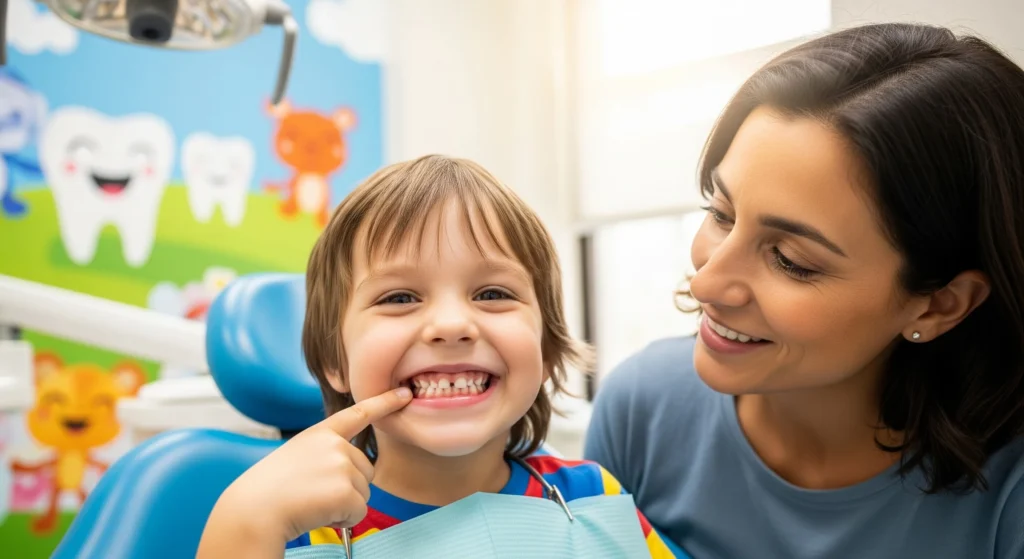
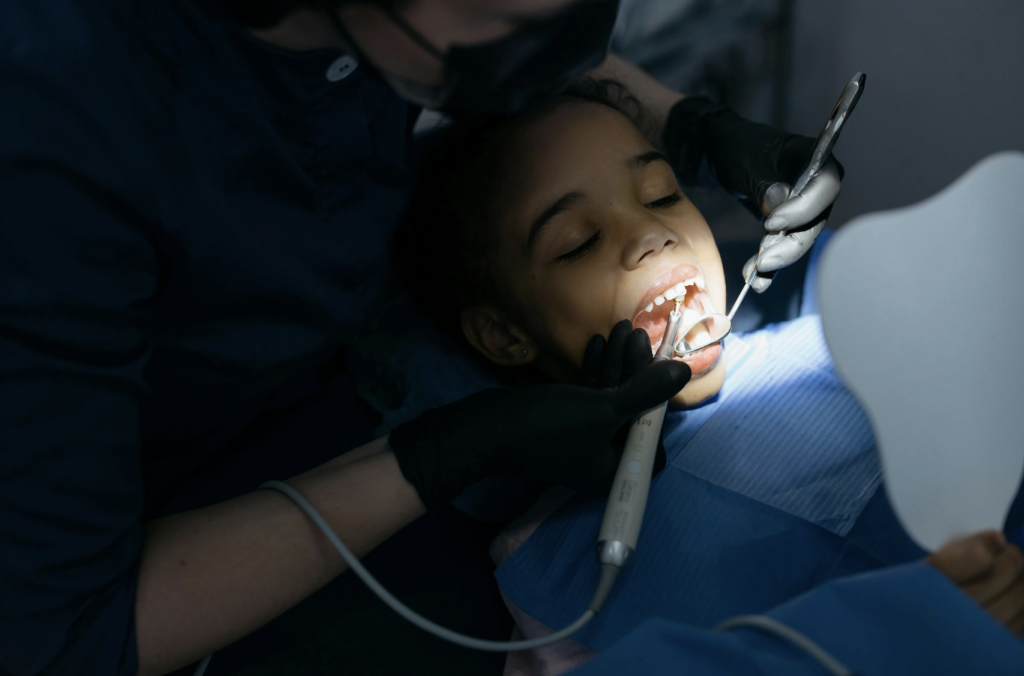
Choosing the right orthodontic treatment for your child can feel overwhelming. When comparing Invisalign vs. braces for kids, the best option depends on your child’s dental needs, lifestyle, and ability to follow routines. Both options are safe and effective. The right choice comes down to what will work best for your child long term.
At ChildSmiles, our team takes a personalized approach to every child’s smile. As a trusted Pediatric Dentist in Fullerton, we guide families through every step with clear recommendations and supportive care.
What Is the Difference Between Invisalign and Braces for Kids?
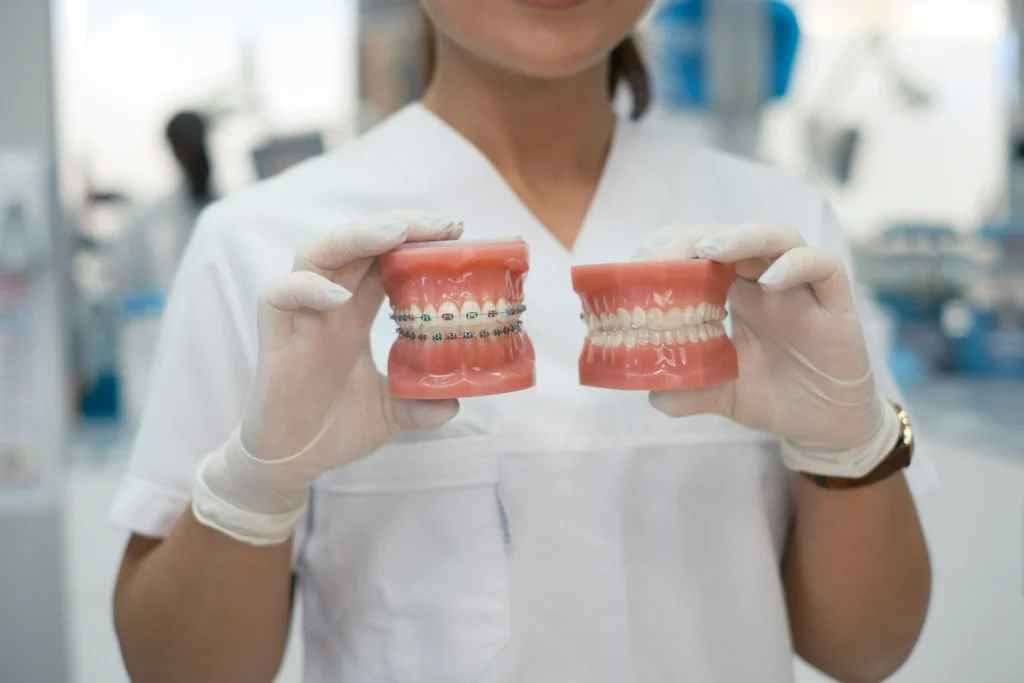
Invisalign uses clear, removable aligners, while braces use fixed brackets and wires to straighten teeth. Both treatments gradually move teeth into proper alignment, but they work in different ways and require different levels of responsibility.
Braces remain on the teeth at all times, so they are always working. Invisalign aligners must be worn consistently for 20 to 22 hours per day to be effective.
For younger children who may forget to wear aligners, braces can be more reliable. For responsible kids who want a less noticeable option, Invisalign may be a better fit.
How Does Invisalign Work for Kids?
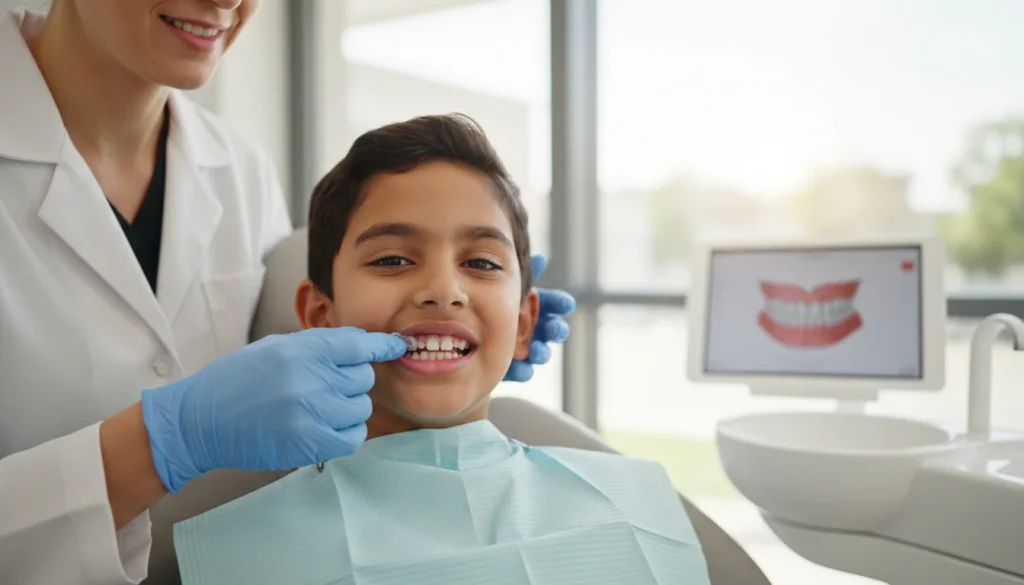
Invisalign for kids uses a series of custom-made, clear aligners that gently shift teeth into place over time. Each set of aligners is worn for about one to two weeks before moving on to the next.
Children’s Invisalign includes helpful features like compliance indicators that fade with wear. This helps parents and dentists monitor if the aligners are being worn as recommended.
This option is ideal for mild to moderate alignment issues and for kids who are comfortable following a daily routine.
How Do Traditional Braces Work for Children?
Braces use small brackets attached to each tooth and a wire that is adjusted over time to guide teeth into alignment. This system applies steady pressure, allowing for precise control of tooth movement.
When comparing metal braces vs. Invisalign for kids, braces are often better for more complex cases. They can correct severe crowding, spacing issues, and bite problems.
Because braces are fixed, they do not depend on the child remembering to wear them, making them a reliable option for many families.
Which Option Is More Effective for Straightening Teeth?
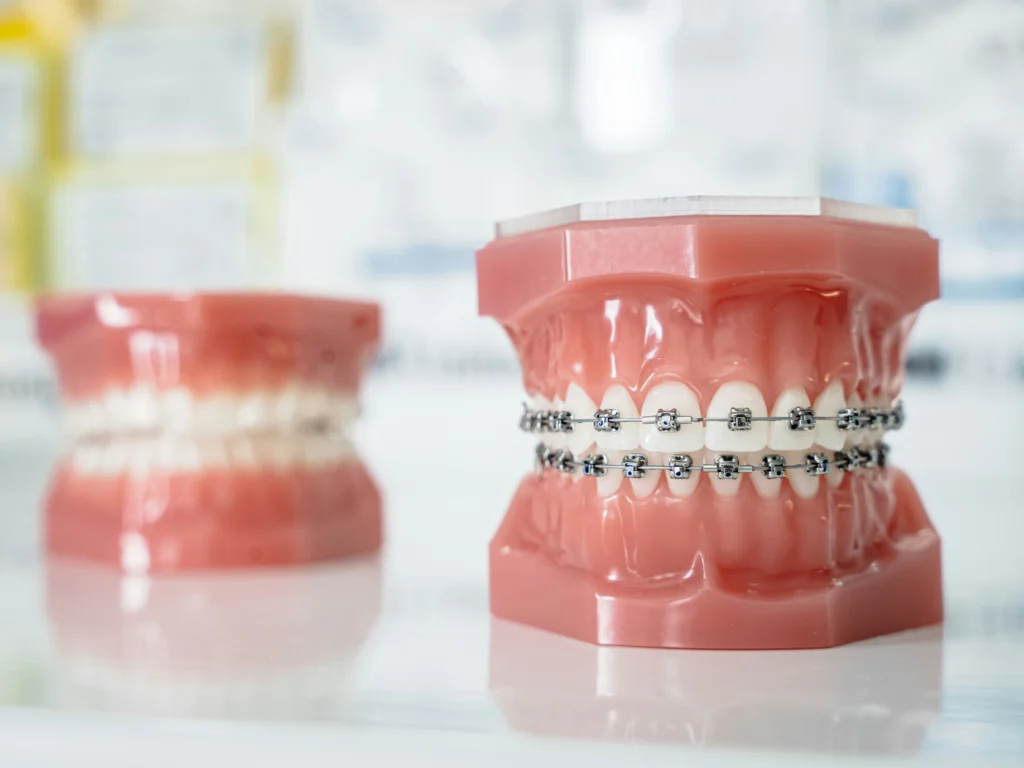
Both Invisalign and braces are effective, but the best choice depends on your child’s specific needs. Invisalign works well for mild to moderate alignment issues, while braces are better suited for more complex cases.
Invisalign vs. traditional braces for kids is especially important when addressing significant bite issues or severe misalignment.
A pediatric dental evaluation can help determine which treatment will deliver the safest and most effective results for your child.
Is Invisalign Comfortable for Kids?
Invisalign aligners are smooth and custom-made, which makes them more comfortable for many children. There are no wires or brackets to irritate the mouth.
Kids may feel slight pressure when switching to a new set of aligners. This is normal and means the treatment is working.
Many families choose Invisalign because it allows children to eat, brush, and floss without restrictions.
Are Braces Better for Certain Dental Conditions?
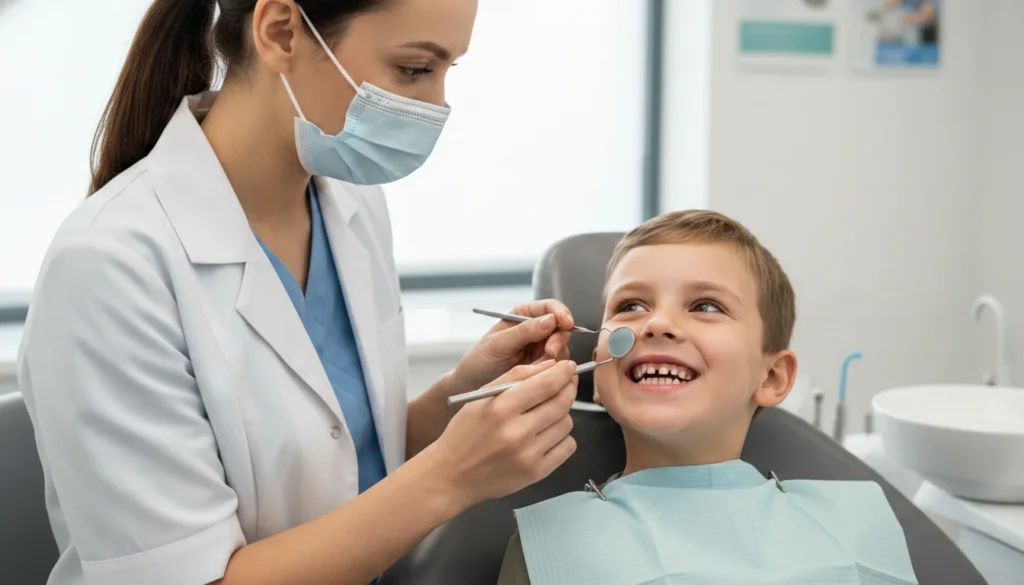
Yes, braces are often recommended for more complex orthodontic concerns. This includes issues like severe crowding, rotated teeth, and significant bite problems.
If your child has a condition such as an overbite, braces vs. Invisalign may lean toward braces for better control and more predictable results.
Your dentist will assess your child’s bite and alignment before recommending the most appropriate treatment.
Which Option Is Easier for Kids to Maintain?
Invisalign is easier to clean because aligners can be removed for brushing and flossing. This helps maintain good oral hygiene throughout treatment.
However, aligners can be lost or forgotten. Braces require more careful cleaning around brackets and wires, but they stay in place at all times.
For some families, the structure of braces is easier to manage. For others, Invisalign’s flexibility makes daily routines easier.
How Does Appearance Impact Your Child’s Confidence?
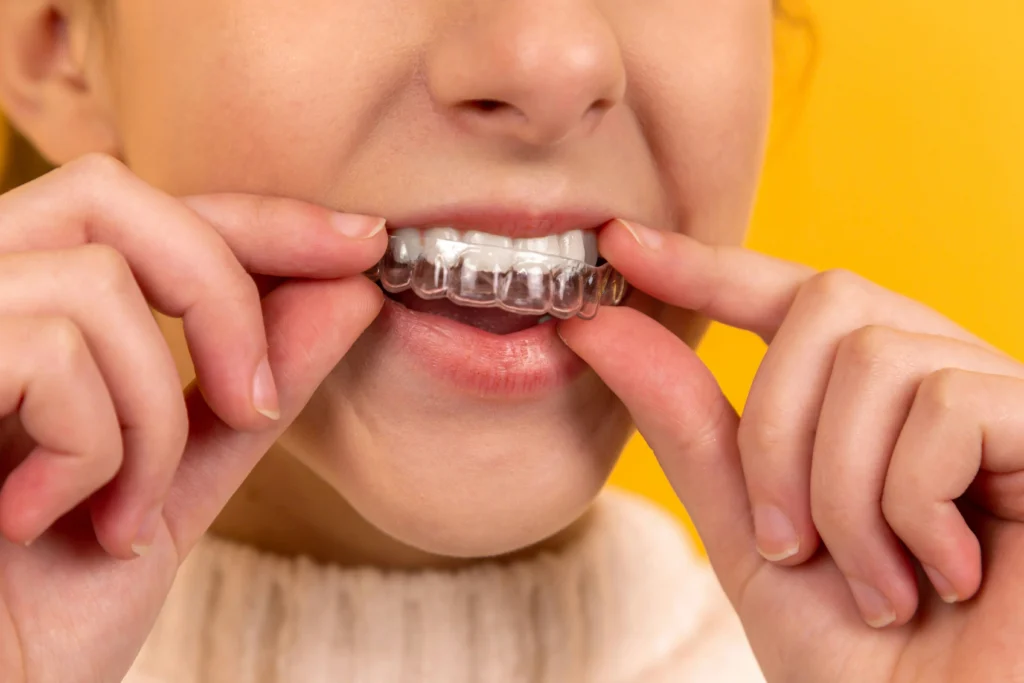
Many children feel more confident with Invisalign because the aligners are nearly invisible. This can be especially important for older kids or teens who are self-conscious about their smile.
Braces are more noticeable, but many kids enjoy choosing coloured bands to personalize their look.
When comparing braces vs. Invisalign for kids, confidence and comfort often play a significant role in the decision.
What Are the Food Restrictions With Braces vs Invisalign?
Braces come with several food restrictions. Sticky, hard, or chewy foods can damage brackets and wires, so kids need to be mindful of what they eat.
With Invisalign, aligners are removed during meals. This means kids can continue enjoying their favourite foods without restrictions.
This flexibility is one reason many families consider Invisalign for kids vs braces as a lifestyle-friendly option.
How Long Does Treatment Take for Each Option?
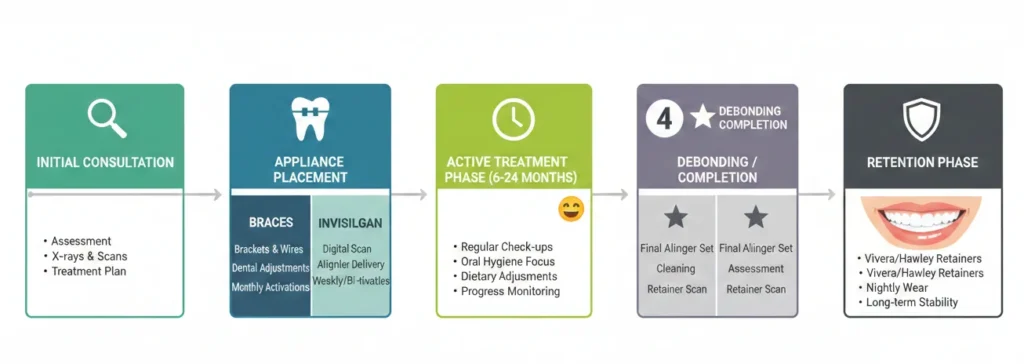
Treatment time varies depending on the complexity of the case. Invisalign treatment typically takes 6 to 18 months for mild to moderate issues.
Braces may take a similar amount of time, but more complex cases can take longer.
Your dentist will provide a personalized timeline based on your child’s needs and how well they follow the treatment plan.
Is Invisalign Suitable for All Kids?
Invisalign is not always the best option for every child. Younger children or those with more complex dental issues may benefit more from braces.
Invisalign vs lingual braces for kids is another consideration, but lingual braces are less common in pediatric cases.
A consultation with a pediatric dental professional can help determine if Invisalign is appropriate for your child’s age and dental development.
How Do You Choose the Best Treatment for Your Child?
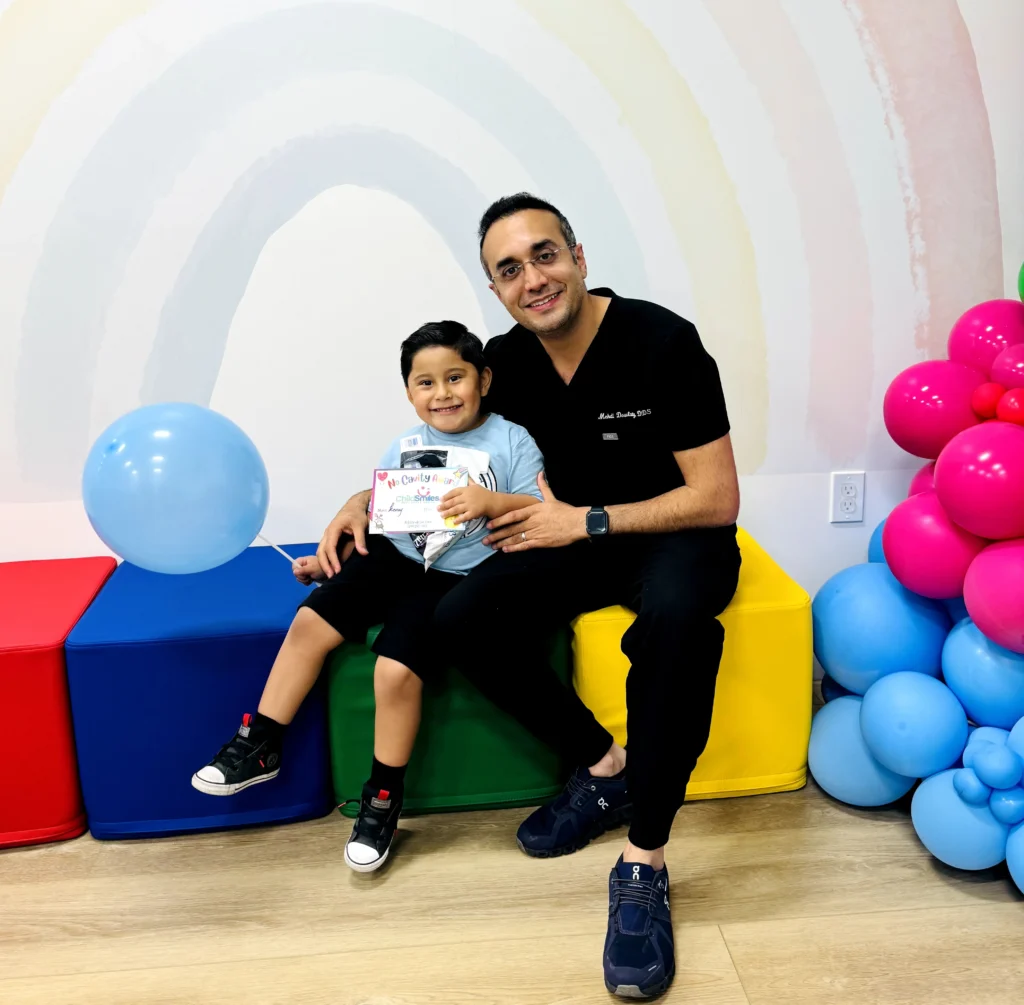
The best choice comes down to your child’s dental needs, lifestyle, and ability to follow instructions. Both treatments can deliver excellent results when used correctly.
Invisalign versus braces is not about which is better overall, but which is better for your specific child.
At ChildSmiles, we focus on creating a comfortable, supportive experience for every patient. Our team takes the time to explain options clearly and help you feel confident in your decision.
Choosing the Best Treatment for Your Child’s Needs
Choosing between braces vs. Invisalign for kids is an important decision, but you do not have to make it alone. With the right guidance, you can find a solution that supports your child’s smile and overall confidence.
Small steps today can lead to lasting results. With the right treatment and support, your child can enjoy a healthy, beautiful smile for years to come.
FAQs About Invisalign and Braces for Kids
Is Invisalign safe for kids?
Yes, Invisalign is safe for kids when used under the guidance of a dental professional. It is designed with smooth, comfortable materials and includes features that help track wear time. It works best for children who can follow instructions and wear aligners consistently.
At what age can a child get Invisalign?
Most children can start Invisalign once they have a mix of baby and adult teeth, typically around ages 7 to 10. However, eligibility depends on dental development and the complexity of the case. A pediatric dental evaluation will help determine if your child is ready.
Do braces work faster than Invisalign?
In some cases, braces can work faster, especially for complex dental issues. Braces provide more control over tooth movement. Invisalign may take a similar amount of time for mild to moderate cases, but results depend on how consistently the aligners are worn.
Can kids switch from braces to Invisalign?
Yes, in some situations, kids can switch from braces to Invisalign during treatment. This depends on their progress and specific dental needs. Your dentist will assess whether transitioning will still achieve the desired results effectively.
Which is more affordable, braces or Invisalign?
The cost of braces and Invisalign can be similar, but it varies by treatment plan. Braces are sometimes slightly more affordable, while Invisalign may cost more due to customization. Many dental offices offer payment plans to make treatment manageable.
Do Invisalign aligners hurt?
Invisalign aligners typically do not cause discomfort, but children may experience slight pressure when starting a new set. This is normal and means the aligners are working. The discomfort is usually mild and goes away within a few days.
How do kids clean Invisalign aligners?
Kids should clean their aligners daily using a soft toothbrush and lukewarm water. It is also important to rinse them after meals. Avoid hot water, as it can warp the plastic and affect the fit.
What foods should kids avoid with braces?
Kids with braces should avoid sticky, hard, or chewy foods like gum, caramel, popcorn, and hard candies. These foods can damage brackets and wires. Softer foods and careful chewing help prevent issues during treatment.
How often do kids need dental visits during treatment?
Kids typically visit the dentist or orthodontist every 4 to 8 weeks during treatment. These visits allow for adjustments and progress checks, ensuring everything is moving as planned.
Will my child need a retainer after treatment?
Yes, most children will need to wear a retainer after completing treatment. Retainers help keep teeth in their new position and prevent them from shifting back over time. Consistent use is key for long-term results.